


How to regulate endocrine disorders
Dec 02, 2024
Source: Cainiu Health

Dr. Yang Ziqi
Introduction
As people age, the function of endocrine glands may naturally decline, making it easier to develop endocrine disorders. Appropriate exercise can promote metabolism and improve the body's sensitivity to insulin, helping to maintain endocrine balance. It is recommended to choose aerobic exercises such as jogging, swimming, or yoga, and perform them 3–5 times per week for more than 30 minutes each session.
Under normal circumstances, endocrine disorders may be related to environmental factors, unhealthy lifestyle habits, aging, polycystic ovary syndrome (PCOS), abnormal prolactin levels, and other factors. These conditions can be managed by paying attention to the environment, adjusting lifestyle habits, maintaining a positive and optimistic mindset, engaging in physical activity, and using medications. It is recommended to visit a hospital to identify the specific cause and follow medical advice for treatment. The analysis is as follows:
1. Environment: Exposure to chemicals and pollutants may affect the normal functioning of the endocrine system. These chemicals are known as endocrine disruptors, such as plasticizers, heavy metals, and pesticides. It is important to maintain environmental hygiene and avoid staying in polluted environments for prolonged periods.
2. Unhealthy lifestyle habits: Long-term late-night activities, irregular eating habits, and lack of physical exercise can disrupt the body's normal circadian rhythm and metabolic processes, thereby affecting the balance of the endocrine system. Adjusting lifestyle habits can help restore normal endocrine function. It is recommended to maintain a regular sleep-wake schedule to support the normal operation of the circadian rhythm.
3. Aging: With advancing age, the function of endocrine glands may naturally decline, making endocrine disorders more likely. Appropriate physical exercise can promote metabolism and enhance the body's sensitivity to insulin, helping to maintain endocrine balance. It is recommended to engage in aerobic exercises such as jogging, swimming, or yoga, 3-5 times per week, each session lasting more than 30 minutes.
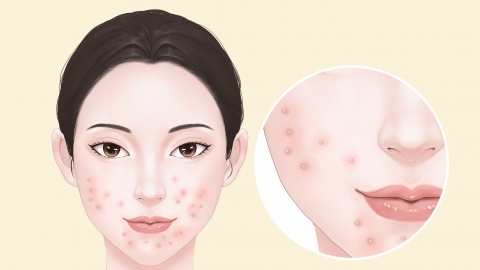
4. Polycystic ovary syndrome (PCOS): This is a common endocrine disorder primarily affecting women. It is characterized by the presence of multiple small cysts in the ovaries, leading to elevated androgen levels and imbalances in estrogen and insulin levels. Common symptoms include irregular menstruation, infertility, weight gain, acne, and hirsutism. It is recommended to promptly follow medical advice and use medications such as dydrogesterone tablets, dexamethasone tablets, and cyproterone acetate tablets as directed.
5. Hyperthyroidism: Hyperthyroidism is caused by excessive secretion of thyroid hormones in the body, leading to increased excitability of various body systems and elevated metabolic rates. Common symptoms include irritability, palpitations, restlessness, insomnia, fatigue, excessive sweating, and increased appetite. Patients are advised to use medications such as lithium carbonate tablets, propylthiouracil tablets, and methimazole tablets under a doctor's guidance to alleviate symptoms.
During treatment, it is important to maintain a cheerful mood and avoid excessive emotional excitement. Additionally, patients should rest on time and avoid overexertion.




