How to Treat Allergic Purpura
Dec 16, 2024
Source: Cainiu Health

Dr. Liu Wenmin
Introduction
Henoch-Schönlein purpura is a common vasculitic disease, mainly manifested as skin purpura, joint pain, abdominal pain, and kidney damage. In general, treatment can involve removing triggers, general supportive care, acupuncture therapy, administration of antihistamines, and use of glucocorticoids. It is recommended to seek timely medical attention and undergo treatment under the guidance of a physician.
Allergic purpura is a common vascular inflammatory disease, mainly manifested as skin purpura, joint pain, abdominal pain, and kidney damage. Generally, treatment methods include removing triggers, general treatment, acupuncture therapy, use of antihistamines, and use of glucocorticoids. It is recommended to seek timely medical attention and receive treatment under the guidance of a physician. A detailed analysis is as follows:
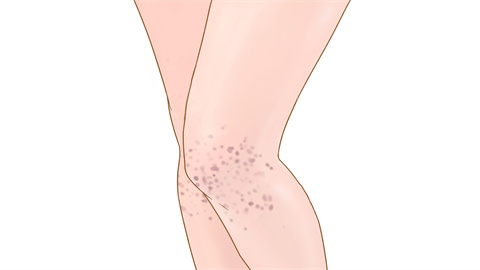
1. Removing triggers: The occurrence of allergic purpura is closely related to exposure to allergens. Patients should avoid contact with suspected allergens, such as pollen, seafood, etc., as much as possible.
2. General treatment: Patients should rest in bed during the acute phase and avoid excessive fatigue. Regarding diet, patients should consume foods rich in vitamins and easily digestible foods, and avoid eating spicy, irritating foods, as well as foods that may cause allergies.
3. Acupuncture therapy: Patients can undergo acupuncture therapy under the guidance of a physician. Acupuncture can regulate the functions of the nervous, endocrine, and immune systems, improve blood circulation, and thus alleviate symptoms of purpura.
4. Use of antihistamines: Antihistamines can reduce allergic reactions and relieve symptoms. Patients may use medications such as loratadine tablets, cetirizine hydrochloride oral solution, and promethazine hydrochloride tablets according to medical advice to improve symptoms.
5. Use of glucocorticoids: Glucocorticoids have potent anti-inflammatory and immunosuppressive effects, which can rapidly control the condition and alleviate symptoms. Commonly used medications include prednisone acetate tablets, dexamethasone injection, and methylprednisolone tablets.
During treatment, it is important to closely monitor changes in the patient's condition, adjust the treatment plan accordingly, and prevent the occurrence of complications.