


Why is the blood vessel in my temple pulsating so strongly?

Generally, intense pulsation of the blood vessels in the temple area may be related to physiological pulsation, vascular dilation, elevated blood pressure, migraine, or temporal arteritis. It is recommended to seek timely medical consultation to identify the underlying cause and receive appropriate treatment under the guidance of a qualified physician. Detailed analysis is as follows:
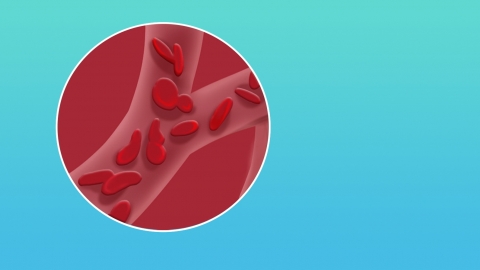
1. Physiological Pulsation
The blood vessels in the temple area naturally exhibit physiological pulsation. In a calm state, individuals may be more sensitive to this pulsation, which is a normal physiological phenomenon and generally requires no specific prevention.
2. Vascular Dilation
Blood vessels in the temple area may dilate during emotional excitement, intense physical activity, or increased environmental temperature, thereby increasing blood flow to meet the body's demand for oxygen and nutrients. It is advisable to maintain emotional stability to reduce the occurrence of vascular dilation.
3. Elevated Blood Pressure
When blood pressure rises, the pressure exerted by blood flow on the vessel walls increases, which may intensify the pulsation sensation in the temple area. Regular blood pressure monitoring is recommended to help prevent hypertension.
4. Migraine
Migraine is often associated with multiple factors such as diet and environment. During a migraine attack, cerebral blood vessels may abnormally constrict or dilate, leading to increased pulsation in the temple region. This is usually accompanied by symptoms such as headache, nausea, and vomiting. Medications such as ibuprofen sustained-release capsules, flunarizine hydrochloride capsules, and Zhengtian Pills may be used under a doctor's guidance.
5. Temporal Arteritis
Temporal arteritis may be related to factors such as autoimmune responses and infections. Inflammation can cause swelling and narrowing of the temporal artery, obstructing blood flow and intensifying the pulsation sensation in the temple area. Symptoms often include headache, fever, and difficulty chewing. Treatment may include medications such as prednisone tablets, azathioprine tablets, and diclofenac sodium sustained-release tablets, as directed by a physician.
Maintaining a healthy lifestyle is important in daily life: a balanced diet, moderate exercise, and emotional stability can help maintain overall health.


