


What does uterine leiomyoma mean?

Uterine leiomyoma is generally a non-cancerous tumor arising from the smooth muscle cells and fibroblasts of the uterine myometrium. A detailed analysis is as follows:
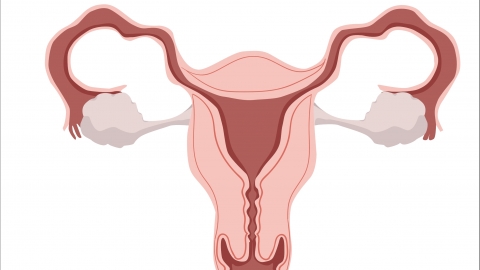
The causes of uterine leiomyoma may be related to female sex hormone levels, as estrogen and progesterone can stimulate the growth of fibroid cells. Fibroids can develop in different parts of the uterus, such as subserosal, intramural, or submucosal locations. Most patients do not exhibit obvious symptoms; however, when the fibroids enlarge or grow in specific locations, a series of clinical manifestations may occur. For example, fibroids compressing surrounding tissues can lead to increased menstrual bleeding and prolonged menstrual periods; compression of the bladder may cause frequent and urgent urination; and pressure on the rectum can result in constipation. Additionally, fibroids may alter the normal shape and function of the uterus and potentially interfere with fertility.
Maintaining a healthy lifestyle is important in daily life, including a balanced diet rich in vegetables and fruits while reducing the intake of high-fat, high-sugar, and high-salt foods, to avoid excessive obesity that may lead to abnormal increases in estrogen levels. Furthermore, engaging in moderate physical activity helps improve physical fitness and maintain relative stability of the body's endocrine system.


