Why are my nipples so red?
Dec 20, 2024
Source: Cainiu Health

Dr. Zhang Lu
Introduction
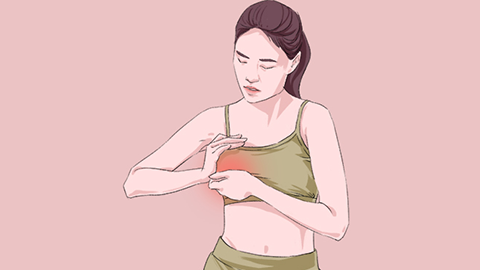
Under normal circumstances, nipples may become very red due to causes such as frictional irritation, sexual stimulation, hormonal changes, fibrocystic breast changes, or mastitis. If discomfort occurs, prompt medical attention is recommended. In daily life, maintaining a balanced diet, reducing intake of high-fat and high-sugar foods, engaging in appropriate exercise, and maintaining good lifestyle habits and psychological well-being are beneficial for breast health.
Generally, red nipples may be caused by friction irritation, sexual stimulation, hormonal changes, mastopathy, mastitis, or other reasons. If discomfort occurs, timely medical attention is recommended. Detailed explanations are as follows:
1. Friction irritation
Undergarments made of coarse materials, such as synthetic fabrics, or tight-fitting undergarments can cause frequent friction between the nipple and clothing, leading to localized skin congestion and redness of the nipple. It is advisable to choose cotton, soft, loose, and breathable undergarments to reduce friction; avoid prolonged vigorous exercise that may cause excessive friction.
2. Sexual stimulation
Excessive sexual stimulation may lead to nipple congestion, resulting in redness of the nipple. Maintain good nipple hygiene and avoid excessive stimulation.
3. Hormonal changes
During the menstrual cycle and pregnancy, women experience significant fluctuations in hormone levels. For example, before menstruation, elevated estrogen levels stimulate breast tissue, including the nipple, causing it to become congested and reddened. During pregnancy, the placenta secretes large amounts of estrogen, progesterone, and other hormones that promote breast development, resulting in changes such as reddening and enlargement of the nipple. During menstruation, applying warm compresses to the breasts can help alleviate discomfort; during pregnancy, choose appropriate maternity-specific undergarments to support the breasts, maintain nipple hygiene, and use mild moisturizing products to prevent nipple dryness and cracking.
4. Mastopathy
Mastopathy is mainly caused by endocrine hormone imbalances, especially an imbalance between estrogen and progesterone levels, which leads to excessive proliferation and incomplete regression of breast tissue. This may increase nipple sensitivity, making it more prone to irritation and redness. It may also be accompanied by symptoms such as breast lumps and pain. Treatment may include medications such as Runing Granules, Guizhi Fuling Capsules, and Rukang Tablets under the guidance of a physician.
5. Mastitis
Mastitis is primarily caused by milk stasis and bacterial invasion. Inflammatory stimulation may lead to redness and swelling of the nipple, accompanied by breast pain, distension, fever, and other symptoms. Patients may follow medical advice to use medications such as Amoxicillin Capsules, Cefalexin Capsules, and Metronidazole Tablets for treatment.
In daily life, maintaining a balanced diet, reducing intake of high-fat and high-sugar foods, engaging in appropriate physical activity, and maintaining healthy lifestyle habits and a positive mental state are beneficial for breast health.