How to address uneven skin tone?
Dec 21, 2024
Source: Cainiu Health

Dr. Liu Wenmin
Introduction
In general, uneven skin tone may be related to factors such as sun exposure, aging, improper cleansing, hormonal imbalances, and melasma. Patients can alleviate symptoms by using sunscreen, regular exfoliation, and medical treatments. As people age, the skin's natural repair capacity and metabolic rate decline, leading to uneven skin tone.
Generally, uneven skin tone may be related to factors such as sun exposure, aging, improper cleansing, endocrine disorders, and melasma. Patients can alleviate symptoms by using sunscreen, regular exfoliation, and medical treatments. It is recommended that patients seek timely medical consultation and follow professional medical advice for treatment. Detailed analysis is as follows:
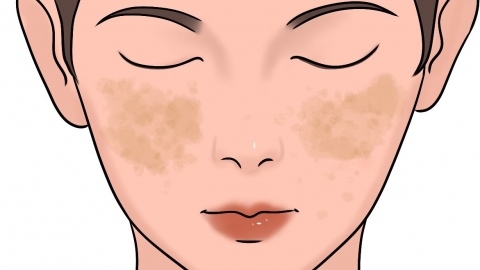
1. Sun Exposure: Prolonged exposure to sunlight, especially under strong ultraviolet radiation, can cause melanin deposition in the skin, leading to pigmentation spots and uneven skin tone. It is recommended to use sunscreen regularly on exposed skin areas to reduce UV damage.
2. Aging: With age, the skin's self-repair ability and metabolic rate decline, resulting in uneven skin tone, often accompanied by symptoms such as skin laxity, increased wrinkles, and reduced elasticity. Regular gentle exfoliation treatments can help promote skin cell renewal and improve uneven skin tone.
3. Improper Cleansing: In daily skincare, inadequate cleansing can lead to clogged pores and skin dehydration, affecting skin tone uniformity, possibly accompanied by enlarged pores and dry skin. Choose facial cleansers and moisturizers suitable for your skin type, exfoliate regularly, and maintain clean and hydrated skin.
4. Endocrine Disorders: Changes in hormone levels, such as estrogen, can affect skin pigmentation, causing uneven skin tone, often accompanied by menstrual irregularities and mood swings. Patients should use medications such as Wujibai Feng Pills, Zhenyuan Tablets, and Xiaoyao Pills under a doctor's guidance to aid recovery.
5. Melasma: Melasma is a common pigmentation disorder primarily occurring on the face, characterized by dark brown or grayish-brown patches, causing uneven skin tone, possibly accompanied by dryness, roughness, and enlarged pores. Patients are advised to use medications such as compound zinc undecylenate triamcinolone acetonide ointment, azelaic acid cream, and hydroquinone cream under medical supervision to alleviate symptoms.
In daily life, maintaining a balanced diet and appropriately consuming vitamins and proteins, such as from broccoli and eggs, can help enhance immune function and promote overall health.