What should I do if my ear piercing becomes inflamed and discharges pus?
Dec 21, 2024
Source: Cainiu Health

Dr. Liu Wenmin
Introduction
Under normal circumstances, inflamed and pus-discharging ear piercings may be related to poor hygiene, improper care, allergic reactions to earrings, residual foreign bodies, or otitis externa (swimmer's ear). Patients can relieve symptoms through disinfection, changing earrings, and medication. It is recommended that patients seek timely medical attention and follow the doctor's instructions for treatment. During the healing process, patients should keep the ear piercing dry and clean.
Normally, an infected ear piercing with pus discharge may be related to poor hygiene, improper care, earring allergies, residual foreign bodies, or otitis externa. Patients can alleviate symptoms through disinfection, changing earrings, and medical treatment. It is recommended that patients promptly visit a hospital and follow the doctor's instructions for treatment. Detailed analysis is as follows:
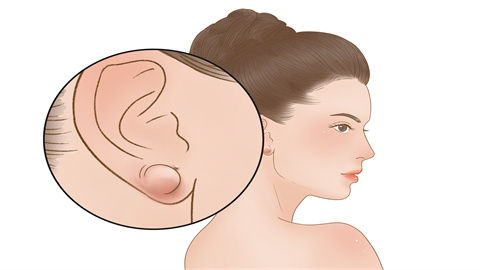
1. Poor hygiene: If the hygiene conditions during ear piercing are substandard, such as unsterilized tools or unhygienic operating environments, bacterial invasion may occur, causing infections and resulting in local inflammation, redness, swelling, pain, and severe cases may develop into pus discharge.
2. Improper care: After ear piercing, if the ear is not kept clean and dry or earrings are frequently changed, redness, swelling, pain, and itching around the piercing site may occur. It is recommended to enhance cleaning and disinfection of the piercing site, avoid frequent earring changes, and switch to hypoallergenic materials such as pure gold or silver earrings when necessary.
3. Earring allergy: Individual allergic reactions to earrings can cause inflammation, redness, swelling, and pus discharge around the piercing site. The earrings should immediately be replaced with hypoallergenic materials such as pure gold or silver, and the piercing site should be kept dry and clean.
4. Foreign body residue: Pus discharge from an infected ear piercing might also result from residual foreign bodies left in the piercing from the piercing process or daily earring wear, causing chronic inflammation. Symptoms include redness, swelling, pain around the piercing, persistent pus discharge, and delayed healing. Prompt medical attention is advised to have the foreign body removed and the piercing site cleaned by a professional physician. Patients should use medications such as neomycin ointment, penicillin V potassium tablets, or mupirocin ointment as directed by their doctor to alleviate symptoms.
5. Otitis externa: Otitis externa is a diffuse inflammation of the skin and subcutaneous tissue of the external auditory canal, which may cause pus discharge from the ear piercing. Patients should use ofloxacin ear drops, chloramphenicol ear drops, erythromycin ointment, and other medications as recommended by a physician to aid recovery.
During treatment, patients should maintain a dry and clean piercing site, avoiding water contact or frequent touching. Additionally, dietary adjustments and physical exercise should be emphasized to improve overall immunity.