


How to Repair Skin Pores and Acne Marks

Skin acne scars and pigmentation may be caused by aging, overactive sebaceous glands, hormonal imbalances, polycystic ovary syndrome, folliculitis, and other factors. These conditions can be improved according to individual circumstances. It is recommended to visit a hospital promptly and undergo treatment under the guidance of a physician.
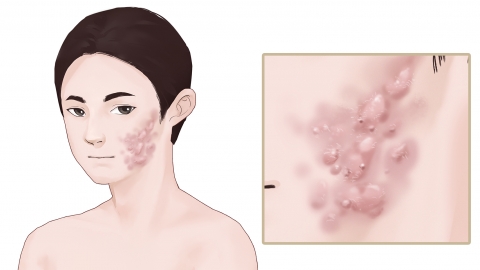
1. Aging: With age, the skin's elasticity and regenerative capacity gradually decline, which may make acne scars and pigmentation more noticeable. Using skincare products containing collagen, hyaluronic acid, and other ingredients in daily skincare can help maintain skin elasticity.
2. Overactive sebaceous glands: Hormonal fluctuations may cause the sebaceous glands to overproduce oil, blocking pores and triggering acne, resulting in pigmentation and scars. Topical products containing salicylic acid, benzoyl peroxide, and other ingredients can help clear pore blockages and reduce sebum secretion.
3. Hormonal imbalance: Endocrine disorders leading to elevated androgen levels can stimulate excessive sebum production and promote acne development. Hormonal imbalances may also affect the skin's healing ability, making pigmentation last longer. It is recommended to use topical skincare products containing vitamin C, which can help fade acne marks.
4. Polycystic ovary syndrome: This condition is often related to environmental and metabolic factors. Hormonal changes may lead to recurrent acne and the formation of acne scars or pigmentation, often accompanied by symptoms such as menstrual irregularities and excessive body hair. It is recommended to follow medical advice and use medications such as dydrogesterone tablets, letrozole tablets, bromocriptine mesylate tablets, and others to alleviate symptoms.
5. Folliculitis: When follicles are infected by bacteria or fungi, localized inflammatory reactions may occur, damaging surrounding tissues, causing acne, skin depressions (scars), or pigmentation (marks), possibly accompanied by redness, pain, and pus-filled blisters. It is recommended to use medications such as mupirocin ointment, ketoconazole cream, fusidic acid sodium ointment, and others under the guidance of a physician to alleviate symptoms.
Repairing acne scars and pigmentation requires selecting appropriate methods based on individual conditions. During treatment, it is essential to follow professional medical guidance to ensure safety and effectiveness.


