


How to replenish energy after excessive physical exertion
Dec 21, 2024
Source: Cainiu Health

Dr. Yang Ziqi
Introduction
Excessive physical exhaustion may be caused by factors such as exercise, physical labor, malnutrition, dehydration, and hypoglycemia. Treatment typically includes adequate rest, hydration, nutritional supplementation, and medication. If abnormalities occur, prompt medical attention is recommended. When experiencing excessive physical exhaustion, it is important to replenish energy and fluids promptly, avoiding overexertion and dehydration.
Excessive physical exhaustion may be caused by factors such as exercise, physical labor, malnutrition, dehydration, and hypoglycemia. Treatment usually includes appropriate rest, hydration, nutritional supplementation, and medication. If abnormalities occur, timely medical attention is recommended. Detailed analysis is as follows:
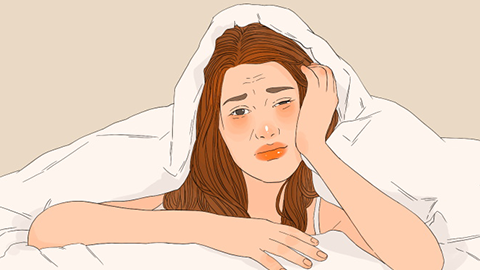
1. Exercise: Prolonged high-intensity exercises such as long-distance running and swimming consume significant physical energy, leading to body fatigue and energy deficiency. At this time, the body requires more energy to recover and maintain normal physiological functions. It is recommended to rest appropriately, allowing sufficient recovery time for the body, while also consuming protein- and carbohydrate-rich foods such as eggs, milk, and bread to rapidly replenish energy.
2. Physical labor: Performing strenuous physical labor consumes large amounts of energy and nutrients to support muscle activity and maintain bodily metabolism. Prolonged physical labor may lead to body fatigue, muscle soreness, and energy deficiency. It is recommended to rest appropriately and avoid excessive fatigue while increasing nutritional intake, especially protein- and vitamin-rich foods such as meat, fish, vegetables, and fruits, to promote body recovery and energy replenishment.
3. Malnutrition: Long-term unbalanced diets or insufficient nutrient intake that fails to meet the body's energy demands may lead to increased susceptibility to fatigue and energy deficiency when physical exhaustion occurs. Symptoms may include weight loss and reduced immunity. It is recommended to adjust the dietary structure and increase nutrient intake, particularly protein-, vitamin-, and mineral-rich foods such as meat, legumes, vegetables, and fruits.
4. Dehydration: During excessive physical exertion, the body sweats heavily, leading to loss of water and electrolytes. Failure to replenish fluids promptly may result in dehydration, further exacerbating symptoms of physical fatigue and energy deficiency. Accompanying symptoms may include dry mouth, dizziness, and weakness. Treatment involves timely rehydration and electrolyte replacement, which can be achieved by drinking warm water, lightly salted water, or sports drinks to rapidly restore lost fluids and electrolytes.
5. Hypoglycemia: During excessive physical exertion, blood glucose levels may drop, leading to insufficient energy supply and symptoms such as fatigue, dizziness, and palpitations. Symptoms may manifest as sweating, trembling hands, and pallor. Immediate sugar intake is recommended, such as consuming sugar-rich foods like candy, chocolate, or fruit to rapidly elevate blood glucose levels. In severe cases, immediate medical attention is required, and medications such as Ejiao Buxue Granules, Shengmai Yin, or Glucose and Sodium Chloride Injection should be administered under a doctor's guidance.
When experiencing excessive physical exhaustion, timely energy and fluid replacement is essential to avoid overexertion and dehydration.




