


Excessive thick phlegm that is difficult to expel and a sticky throat - what should I do?

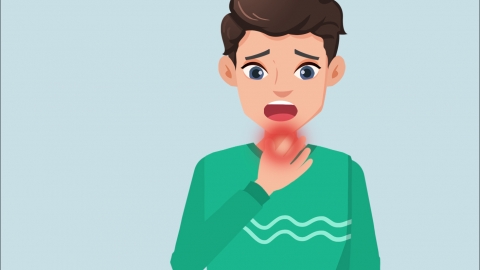
Generally speaking, the throat refers to the pharynx. Excessive, thick phlegm that cannot be completely expelled, causing a sticky sensation in the throat, may be caused by factors such as dry environment, improper diet, excessive voice use, chronic pharyngitis, pneumonia, and others. Under a doctor's guidance, general treatments or medication therapy can be used for treatment. A detailed explanation is as follows:
1. Dry Environment
When the air humidity of the surrounding environment is low, the moisture in the respiratory mucosa evaporates more quickly, causing the mucus secreted by the respiratory tract to become thick and difficult to expel smoothly. This leads to accumulation in the throat, resulting in excessive thick phlegm and a sticky throat sensation. Using a humidifier to increase indoor humidity, maintaining it at 40%-60%, can help alleviate this condition, especially in dry environments where humidity regulation is particularly important. Additionally, increasing water intake appropriately helps maintain moist respiratory mucosa and reduces phlegm viscosity.
2. Improper Diet
Consuming excessive amounts of spicy, greasy, or sweet foods can affect the digestive function of the spleen and stomach, leading to abnormal metabolism of dampness and phlegm formation. These phlegm substances, once formed in the respiratory tract, are thick and difficult to expel, accumulating in the throat and causing a sticky sensation. Maintaining a balanced diet, reducing intake of such irritating foods, and increasing consumption of vegetables, fruits, and fiber-rich foods can help promote normal digestive function of the spleen and stomach.
3. Excessive Voice Use
Extended periods of loud talking, singing, or continuous speaking can cause congestion and dryness of the throat mucosa, stimulating the submucosal glands to secrete more mucus to lubricate the throat. However, excessive voice use causes fatigue and poor coordination of the throat muscles, making it difficult to expel phlegm smoothly. This results in phlegm buildup in the throat, causing symptoms such as excessive thick phlegm and a sticky throat. It is recommended to schedule voice use appropriately, avoid prolonged continuous vocalization, take adequate breaks during extended voice use, and drink warm water frequently to soothe the throat.
4. Chronic Pharyngitis
Chronic pharyngitis often develops due to repeated episodes of acute pharyngitis, long-term smoking and alcohol consumption, or nasal and sinus diseases causing postnasal drip. The throat remains in a state of chronic inflammation for a long time, with submucosal tissue hyperplasia and thickening, and impaired mucous gland secretion function, leading to increased mucus production that is thick in consistency. Additionally, inflammatory stimulation damages the ciliary movement function of the mucosal epithelium, preventing effective phlegm expulsion, thus causing symptoms of excessive thick phlegm that cannot be fully expelled and a sticky throat. It may also be accompanied by symptoms such as nausea and dry heaving. Under medical guidance, medications such as Yinhuang Throat Lozenges, Pharyngitis Tablets, and Pudilan Xiaoyan Oral Liquid can be used for treatment.
5. Pneumonia
Pneumonia is primarily caused by Mycoplasma pneumoniae infection. After infecting the lungs, Mycoplasma pneumoniae triggers an inflammatory response, damaging the alveoli and bronchial mucosa, which stimulates increased secretion from the respiratory tract, producing phlegm. At the same time, mycoplasma infection affects the ciliary movement in the respiratory tract, causing poor phlegm drainage and accumulation in the throat, resulting in excessive thick phlegm that cannot be completely expelled and a sticky throat sensation. Headache and sore throat may also be present. Treatment should follow medical advice and may include medications such as Azithromycin Dispersible Tablets, Dextromethorphan Hydrobromide Syrup, and Lianhua Qingwen Capsules.
Maintaining good living habits, regular作息 (作息 should be replaced with a suitable English term like "作息" -> "作息" can be translated as "daily routine"), avoiding staying up late, and reducing adverse irritation to the respiratory tract are also important.


