What to do if the liver fluke antibody test is positive
Dec 23, 2024
Source: Cainiu Health

Dr. Gao Jun
Introduction
Poor personal hygiene habits, such as not washing hands after using the toilet or using contaminated tableware, may allow liver flukes to enter the body through the fecal-oral route. The parasites develop and reproduce in the bile ducts, stimulating the immune system to produce antibodies. It is important to strengthen personal hygiene practices, such as frequent handwashing, using clean tableware, and regularly cleaning living environments.
Under normal circumstances, a positive result for liver fluke antibodies may be caused by long-term consumption of raw or cold foods, poor personal hygiene, clonorchiasis, biliary tract infections, cirrhosis, and other factors. The appropriate solution depends on identifying the specific cause to achieve effective treatment. It is important to seek medical attention promptly and follow medical advice. Detailed explanations are as follows:
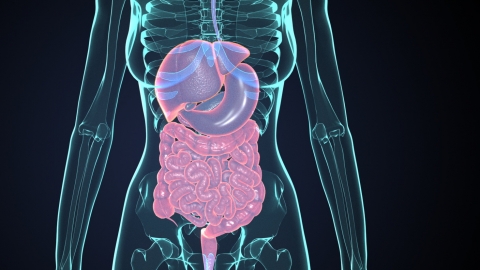
1. Long-term consumption of raw or cold foods: Long-term consumption of undercooked or raw aquatic products may lead to ingestion of liver fluke larvae or eggs. Once these are ingested by the human body, the liver fluke larvae develop into adult worms that parasitize the bile ducts, stimulating the immune system to produce specific antibodies, resulting in a positive liver fluke antibody test. Avoid eating raw or undercooked aquatic products, maintain good personal hygiene, wash hands before meals and after using the toilet, and ensure safe drinking water.
2. Poor personal hygiene: Poor personal hygiene habits, such as not washing hands after using the toilet or using unclean utensils, may allow liver flukes to enter the body via the fecal-oral route. Parasites develop and reproduce within the bile ducts, stimulating the immune system to produce antibodies. It is important to improve personal hygiene habits, such as frequent handwashing, using clean utensils, and regularly cleaning the living environment.
3. Clonorchiasis: Clonorchis sinensis is a parasite that resides in the intrahepatic bile ducts of the human liver and is mainly transmitted through the consumption of raw or undercooked freshwater fish and shrimp. The parasites develop and reproduce in the bile ducts, causing bile duct inflammation and bile stasis, which stimulates the immune system to produce antibodies. Treatment may include antiparasitic medications such as albendazole tablets, praziquantel tablets, mebendazole tablets, and others, as directed by a physician.
4. Biliary tract infection: Biliary tract infections may be caused by pathogens such as bacteria, viruses, or parasites. When a biliary tract infection occurs, inflammation of the bile duct walls and bile stasis may result, stimulating the immune system to produce antibodies, including an immune response to liver flukes, which may cause abdominal pain. Under a doctor's guidance, anti-infective medications such as erythromycin tablets, midecamycin tablets, clindamycin hydrochloride tablets, and others may be used for treatment.
5. Cirrhosis: Cirrhosis is a chronic liver disease that can be caused by various factors, including viral hepatitis, alcoholic liver disease, and others. During the progression of cirrhosis, structural and functional changes in the liver may lead to bile stasis and bile duct inflammation, thereby stimulating the immune system to produce antibodies. Medications such as vitamin B complex tablets, polyene phosphatidylcholine capsules, entecavir capsules, and others may be used under medical guidance to protect liver cells.
It is important to actively cooperate with the doctor's treatment plan, maintain healthy lifestyle habits, and have a positive mindset to promote recovery.