


How to manage eczema in a two-month-old baby
Dec 23, 2024
Source: Cainiu Health

Dr. Zhou Xiaofeng
Introduction
Atopic dermatitis is a chronic, recurrent, pruritic skin disease closely related to genetic and allergic factors. Babies may inherit an allergic constitution from their parents and develop allergic reactions to certain substances, leading to eczema and the appearance of papules. Medications such as erythromycin ointment, fusidic acid cream, and Fangfeng Tongsheng Granules may be used under medical guidance for anti-inflammatory purposes.
Generally, eczema in two-month-old babies may be caused by factors such as underdeveloped skin barrier function, immature immune system, food allergies, contact dermatitis, and atopic dermatitis. Measures such as general care and medication can be taken to improve the condition. Prompt medical consultation is necessary, and treatment should follow medical advice. Details are as follows:
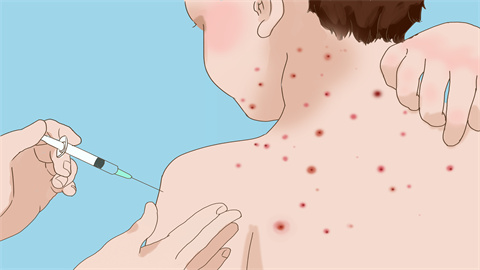
1. Underdeveloped Skin Barrier Function: An infant's skin is thin and the skin barrier function is relatively weak, making it susceptible to external irritants and damage. This immature skin barrier makes babies more prone to allergic reactions to irritants, leading to eczema. It is crucial to keep the baby's skin clean and moisturized. Use mild, non-irritating skincare products specifically designed for infants, and avoid products containing irritating ingredients such as fragrances and alcohol.
2. Immature Immune System: A baby's immune system is not yet fully developed, making it more susceptible to allergic reactions to certain substances. These allergic reactions may manifest as skin symptoms like eczema. Parents should avoid exposing the baby to potential allergens such as dust mites, pollen, and animal dander. Keep the indoor environment clean and avoid excessive humidity or dryness.
3. Food Allergies: Some infants may be allergic to foods such as milk, eggs, peanuts, etc. When allergens from food enter the baby's body, they trigger immune responses that lead to allergic symptoms such as eczema and may also cause vomiting. Antiallergic medications such as Levocetirizine Hydrochloride Granules, Loratadine Syrup, and Ephedrine Diphenhydramine Tablets may be used under a doctor's guidance.
4. Contact Dermatitis: When a baby's skin comes into contact with irritating or allergenic substances, it can trigger an inflammatory reaction leading to eczema, with symptoms such as redness and itching. Anti-itch and anti-inflammatory medications such as Calamine Lotion, Mupirocin Ointment, and Clobetasol Propionate Cream may be used following medical advice.
5. Atopic Dermatitis: Atopic dermatitis is a chronic, recurrent, itchy skin condition closely related to genetic and allergic factors. Babies may inherit an allergic constitution from their parents, leading to allergic reactions to certain substances and resulting in eczema and papules. Medications such as Erythromycin Ointment, Fusidic Acid Cream, and Fangfeng Tongsheng Granules may be used under medical guidance to reduce inflammation.
Parents should closely monitor their baby's eczema condition and identify and avoid possible allergens and triggering factors.



