


What are the best methods for treating a wasp sting?

Generally speaking, there is no universally recognized best treatment method for wasp stings. Commonly recommended steps include promptly removing the stinger, cleaning the wound, applying cold compresses, using topical medications, and taking oral antihistamines as needed, to prevent further discomfort or complications caused by the venom. The detailed explanation is as follows:
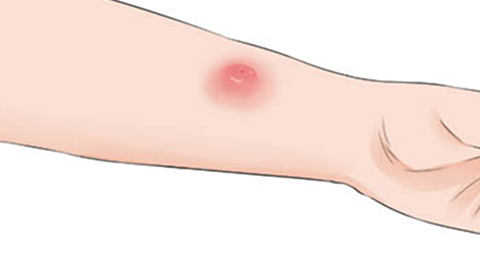
1. Promptly remove the stinger: After being stung by a wasp, immediately examine the wound and gently remove the stinger using a sterilized pair of tweezers or needle to prevent further venom from entering the body. Be careful not to squeeze the stinger during removal to avoid spreading more venom.
2. Clean the wound: After removing the stinger, wash the wound immediately with running water or soapy water to reduce residual venom on the skin. Since wasp venom is alkaline, acidic substances such as vinegar, white vinegar, or lemon juice can also be applied locally to help neutralize the venom.
3. Apply a cold compress: After cleaning the wound, apply a cold compress using an ice pack or a wet, cool towel to help relieve pain and swelling. The cold compress can be applied for 15-20 minutes and repeated as needed.
4. Apply topical medications: After applying the cold compress, topical ointments with anti-inflammatory and pain-relieving properties, such as erythromycin ointment, calamine lotion, or mupirocin ointment, can be applied. These medications help eliminate pathogens and control the progression of the condition. However, use medications according to medical advice or the instructions provided.
5. Take oral antihistamines: If an allergic reaction occurs after the wasp sting, such as itching or redness and swelling, oral antihistamines such as loratadine tablets, ebastine tablets, or montelukast sodium tablets can be taken to alleviate symptoms. However, these medications may cause side effects such as drowsiness, so caution should be exercised when using them.
If symptoms are severe after a wasp sting, such as difficulty breathing or palpitations, immediate medical attention should be sought. Doctors will provide further treatment, including antiallergic therapy and intravenous fluid therapy, based on the patient's condition to ensure the patient's safety.


