


How to remove acne scars and dark spots

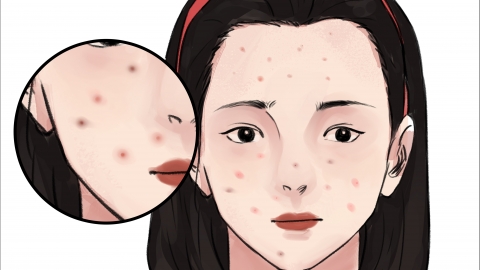
Acne scars or post-inflammatory hyperpigmentation may be caused by excessive inflammatory response, damaged skin barrier, improper squeezing, folliculitis, acne, and other factors. Improvement can be made according to different situations. It is recommended to seek timely medical advice and receive treatment under a doctor's guidance.
1. Improper diet: Prolonged and excessive consumption of spicy or irritating foods may affect skin recovery and lead to pigmentation or acne scars. It is recommended to maintain a light diet and consume more fruits and vegetables rich in vitamin C and E, such as apples, bananas, dragon fruit, leafy vegetables, and lemons, which can help promote skin metabolism.
2. Damaged skin barrier: A compromised skin barrier can affect the skin's moisturizing function and self-repair capability, making it more susceptible to external irritation and injury. This can result in acne marks, pits, or scars after healing. Use moisturizing products containing ingredients such as ceramides and hyaluronic acid to strengthen the skin barrier function.
3. Improper squeezing: Squeezing acne improperly can worsen skin tissue damage, leading to acne marks, pits, or scars after healing. It is recommended to avoid squeezing with hands. For existing scars or pigmentation, follow medical advice to use treatments such as photorejuvenation or chemical peels to promote skin regeneration.
4. Folliculitis: Skin abrasions, excessive sweating, bacterial infection, viral infection, and other factors may cause this condition. It commonly occurs on the chest, back, face, and buttocks. Initially, scattered red papules, small blisters, or vesicular eruptions may appear, which could lead to acne and subsequently acne scars or pigmentation. It is recommended to use medications such as mupirocin ointment, ketoconazole cream, or fusidic acid sodium ointment under medical guidance for improvement.
5. Acne: Acne is usually caused by bad habits, infections, and other factors. During the skin healing process, improper healing may lead to acne marks or scars, accompanied by symptoms such as redness and swelling. It is recommended to use medications such as tretinoin cream, hydroquinone cream, or erythromycin ointment as directed by a physician to relieve discomfort.
During treatment, patients should follow medical advice and guidance, choose appropriate treatment methods, and pay attention to skincare and sun protection. Additionally, maintaining good lifestyle habits and emotional well-being can also aid in skin recovery.


