


How can proliferative scars and keloids be completely eliminated?
Dec 23, 2024
Source: Cainiu Health

Dr. Liu Wenmin
Introduction
Hypertrophic scars may result from genetic predisposition, excessive tension, scar-prone constitution, wound healing processes, or poor wound healing. They can be managed according to specific circumstances. Some individuals may carry specific genetic variations that lead to excessive collagen production during wound healing, resulting in the formation of hypertrophic scars.
Hypertrophic scars may result from genetic predisposition, excessive tension, scar-prone constitution, wound healing processes, or poor wound healing. Management should be based on specific individual circumstances. It is recommended to seek medical attention at a hospital promptly and follow medical advice for treatment.
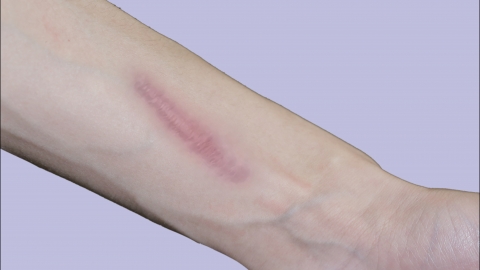
1. Genetic predisposition: Some individuals may carry specific genetic variations that make them more prone to excessive collagen production during wound healing, leading to the formation of hypertrophic scars. Preventive treatments such as silicone gel sheets and pressure therapy are recommended during the early stages after skin injury or before surgery.
2. Excessive tension: During wound healing in high-tension areas, collagen fibers may be excessively deposited to withstand additional mechanical stress, resulting in hypertrophic scarring. Physical methods such as pressure bandages and silicone gel sheets are recommended to reduce wound tension and promote normal healing.
3. Scar-prone constitution: Individuals with a scar-prone constitution tend to develop hypertrophic scars following skin injuries, and these scars may continue to enlarge, affecting appearance. It is recommended to use medications such as asiaticoside cream, mucopolysaccharide polypeptide cream, or recombinant human basic fibroblast growth factor gel as directed by a physician to improve scarring.
4. Wound healing process: Following trauma, the body initiates an inflammatory response and accelerates collagen synthesis to repair damaged tissue. If collagen production exceeds normal repair needs, hypertrophic scars may form. Larger or deeper scars may require treatments such as laser therapy or radiation therapy.
5. Poor wound healing: After skin trauma, if wound healing is suboptimal or involves excessive repair, abnormal proliferation of fibrous connective tissue may occur, resulting in hypertrophic scarring. It is recommended to use medications such as combination heparin sodium and allantoin gel, prednisolone acetate injection, or triamcinolone acetonide injection under medical supervision to inhibit cellular proliferation within the scar tissue.
There are various methods for treating hypertrophic scars, and the choice should be based on the patient's specific condition and medical advice. During treatment, patients should maintain a positive attitude and actively cooperate with the treatment plan to ensure optimal therapeutic outcomes.


