What to do about sciatica
Dec 23, 2024
Source: Cainiu Health

Dr. Chen Jian
Introduction
In late pregnancy, the fetus may become too large and compress the sciatic nerve, causing sciatica. This compression typically gradually subsides after childbirth. During pregnancy, women should avoid standing or sitting for prolonged periods. They can engage in appropriate exercises such as walking, yoga, and tai chi, and may also use a maternity support belt to help bear the weight of the abdomen and reduce pressure on the lower back.
Generally, sciatica may be caused by factors such as cold exposure, prolonged sitting and fatigue, pregnancy-related compression, piriformis syndrome, lumbar transverse process syndrome, or lumbar spinal stenosis. Measures such as general treatment, medication, or surgery can be used to improve the condition. Prompt medical attention is necessary, and treatment should follow medical advice. Details are as follows:
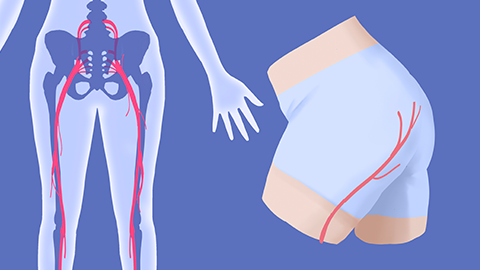
1. Cold exposure and prolonged sitting or fatigue: Sciatica may occur when the sciatic nerve is stimulated or compressed due to muscle tension or spasms caused by cold exposure or prolonged sitting and overexertion. It is recommended to avoid prolonged sitting, and engage in appropriate physical activities such as walking, yoga, or tai chi to strengthen the muscles of the lower back and legs.
2. Pregnancy-related compression: In late pregnancy, the sciatic nerve may be compressed due to the size of the fetus, resulting in sciatica. This compression typically improves gradually after delivery. During pregnancy, pregnant women should avoid prolonged standing or sitting, and engage in moderate exercise such as walking, yoga, or tai chi. Additionally, using an abdominal support belt may help relieve pressure on the lower back.
3. Piriformis syndrome: The sciatic nerve passes beneath the piriformis muscle. When this muscle is injured or overused, it may swell or spasm, compressing the sciatic nerve and causing pain, typically felt in the buttock. Pain relief medications such as nimesulide dispersible tablets, hydrocortisone acetate tablets, or tizanidine hydrochloride tablets may be used under a doctor's guidance.
4. Lumbar transverse process syndrome: This condition results from injury or inflammation of soft tissues such as muscles and ligaments attached to the lumbar transverse processes, which may then stimulate or compress the sciatic nerve, causing pain often accompanied by buttock pain. Anti-inflammatory and pain-relief medications such as diclofenac sodium sustained-release capsules, ibuprofen sustained-release tablets, or etoricoxib tablets may be taken orally as directed by a physician.
5. Lumbar spinal stenosis: Lumbar spinal stenosis occurs when the bony passage of the lumbar spine narrows, compressing the nerve roots, leading to edema and ischemia of the nerve sheath and causing sciatica, typically presenting as lower back pain. Surgical options such as spinal decompression, laminoplasty, or neural decompression may be considered under a doctor's guidance.
During treatment, it is important to follow medical instructions, take medications as prescribed, and make appropriate adjustments to lifestyle and dietary habits to promote recovery.