


How to Eliminate Swollen Neck Lymph Nodes
Dec 23, 2024
Source: Cainiu Health

Dr. Wang Lei
Introduction
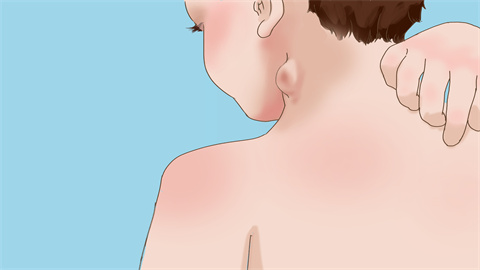
Under normal circumstances, there is no such thing as "how to eliminate swollen neck lymph nodes." Swollen neck lymph nodes may be caused by factors such as developmental changes during growth, unhealthy lifestyle habits, viral colds, lymphadenitis, or tuberculous lymphadenopathy. Depending on the specific situation, general treatment or oral medications may be used for treatment or relief. It is recommended to seek medical attention promptly.
Generally speaking, there is no such thing as "how to eliminate swollen neck lymph nodes." Swollen neck lymph nodes may be caused by factors such as growth and development changes, unhealthy lifestyle habits, viral colds, lymphadenitis, or tuberculous lymphadenopathy. Depending on the specific situation, general treatment or oral medication can be used for treatment or relief. It is recommended to seek timely medical attention, identify the underlying cause, and undergo symptomatic treatment under a doctor's guidance. Detailed explanations are as follows:
1. Changes During Growth and Development
During childhood and adolescence, lymphatic tissue may relatively enlarge. This is usually painless and progresses gradually. Regular physical examinations are recommended to monitor changes in the lymph nodes; special treatment is generally unnecessary.
2. Unhealthy Lifestyle Habits
Imbalanced diet, lack of exercise, insufficient sleep, and other unhealthy habits may lead to decreased immunity, which in turn causes swollen neck lymph nodes. It is recommended to improve lifestyle habits, maintain a balanced diet, exercise moderately, and ensure sufficient sleep.
3. Viral Cold
Upper respiratory tract infections caused by viruses such as influenza can lead to immune responses that cause swollen neck lymph nodes, often accompanied by symptoms like coughing and runny nose. Patients may use antiviral oral solutions, Lianhua Qingwen capsules, Ganmaoling granules, or similar medications under a doctor's guidance.
4. Lymphadenitis
Lymph node inflammation caused by bacterial or viral infections can result in inflammatory reactions, leading to swollen and painful lymph nodes, and may be accompanied by symptoms such as fever and chills. Patients may take medications such as Roxithromycin tablets, Amoxicillin capsules, or Cefalexin dry suspension under medical advice.
5. Tuberculous Lymphadenitis
Lymph node tuberculosis caused by Mycobacterium tuberculosis infection leads to tuberculous lesions in the lymph nodes, causing swelling and pain. Symptoms such as low-grade fever and night sweats may also appear. Patients may take medications such as Isoniazid-Vitamin B6 tablets, Rifampicin tablets, Ethambutol Hydrochloride capsules, or similar drugs as advised by a doctor.
In addition, local massage to promote blood circulation, or physical therapies such as warm or cold compresses, may help alleviate the swelling.






