


What are the daily precautions for preventing childhood tooth decay?

Generally, daily precautions for preventing dental caries in children include maintaining oral hygiene, controlling diet, correcting bad habits, regular dental checkups, and using fluoride. A detailed analysis is as follows:
1. Maintain Oral Hygiene
Maintaining oral hygiene is the foundation for preventing dental caries in children. Parents should supervise their children to brush teeth at least twice daily, each time for no less than two minutes, ensuring thorough cleaning of all tooth surfaces, including the outer, inner, and chewing surfaces. Toothbrushes should be soft and suitable for the child's age, and fluoride toothpaste is recommended to enhance the teeth's resistance to decay.
2. Control Diet
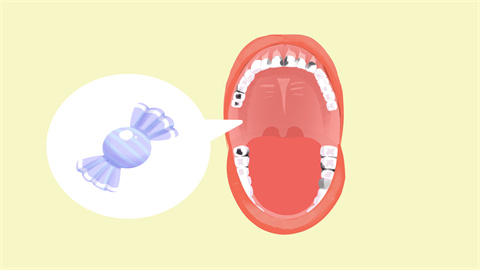
Parents should try to avoid excessive consumption of sugary foods such as candies, chocolates, and cakes. Sweets tend to remain on the teeth, providing a favorable environment for bacterial growth, thus increasing the risk of caries. Intake of carbonated soft drinks should also be controlled, as the acidic components in these beverages can erode teeth and lead to dental decay.
3. Correct Bad Habits
Parents should pay attention to whether their children have不良 oral habits like finger sucking or biting pencils, as these behaviors may increase the risk of dental caries. Once such habits are identified, timely correction should be made, and children should be guided to develop proper oral habits.
4. Regular Checkups
Parents should regularly take their children to dental clinics for oral examinations, preferably every six months. This allows timely detection of oral problems such as tooth demineralization and developmental defects. Early detection and intervention can effectively prevent the occurrence and progression of dental caries.
5. Use of Fluoride
Fluoride is an effective agent for preventing dental caries. Fluoride varnish can be applied professionally at oral clinics to enhance the teeth's resistance to decay.
Children should eat more vegetables, fruits, and other foods rich in vitamins and minerals, and consume adequate amounts of protein, carbohydrates, and fat to support their growth and development. Additionally, they should develop the habit of washing hands before meals and after using the toilet, and maintain good personal hygiene.


