


How to address facial sagging and drooping
Dec 24, 2024
Source: Cainiu Health

Dr. Han Xuefeng
Introduction
Facial laxity and sagging may be caused by factors such as aging, natural skin aging, endocrine disorders, excessive weight loss, and myasthenia gravis. It can usually be treated through improvements in lifestyle habits, increased nutritional intake, use of skincare products, and medication. Regular skin examinations and skincare are recommended, along with maintaining a positive mindset and emotional well-being.
Facial laxity and ptosis may be caused by factors such as aging, natural skin aging, endocrine disorders, excessive weight loss, and myasthenia gravis. These conditions can usually be managed through lifestyle improvements, increased nutrient intake, skincare products, and medication. If necessary, timely medical consultation is recommended. Detailed analysis is as follows:
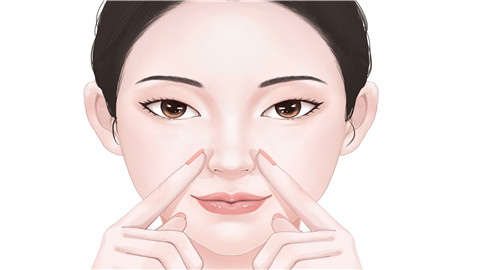
1. Aging: As one ages, collagen and elastic fibers in the skin gradually diminish, causing the skin to lose elasticity and firmness, leading to facial laxity and ptosis. Daily sun protection is recommended to prevent UV damage to the skin, and skincare products rich in collagen and elastic fibers can help maintain skin elasticity.
2. Natural Skin Aging: The natural aging process weakens the skin's cell regeneration ability and damages its barrier function, leading to facial laxity and ptosis. Regular skincare routines, such as applying face masks and massage, can help promote blood circulation and nutrient absorption in the skin. Sufficient sleep and a regular lifestyle can also help slow the rate of skin aging.
3. Endocrine Disorders: A decrease in estrogen levels accelerates skin aging, causing loss of collagen and elastic fibers, which leads to reduced skin elasticity and firmness. This may be accompanied by symptoms such as menstrual irregularities, mood swings, and insomnia. It is recommended to adjust lifestyle habits and, if necessary, take medications such as propylthiouracil tablets, methimazole tablets, and propranolol hydrochloride tablets as directed by a physician. Additionally, maintaining a regular sleep schedule, adequate rest, regular exercise, and proper skincare are beneficial.
4. Excessive Weight Loss: Excessive dieting leads to rapid reduction of subcutaneous fat, causing loss of skin support and resulting in facial laxity and ptosis. Associated symptoms may include rapid weight loss and skin laxity. Treatment involves adjusting diet to ensure balanced nutrition, avoiding extreme dieting, and performing appropriate facial massage and exercises to promote skin tightening.
5. Myasthenia Gravis: This condition is generally associated with nervous system abnormalities, which may cause facial muscle weakness or atrophy, leading to loss of facial support and firmness. Symptoms may include muscle weakness, ptosis, and difficulty swallowing. Medications such as pyridostigmine bromide tablets, neostigmine methylsulfate injection, and galantamine hydrobromide injection may be used under medical supervision to alleviate symptoms.
It is recommended to undergo regular skin examinations and skincare routines. Maintaining a positive mindset and emotional stability is also important, as excessive anxiety and stress can negatively affect skin health.




