How to treat mastitis most effectively
Dec 24, 2024
Source: Cainiu Health

Dr. Zhang Lu
Introduction
Under normal circumstances, there is no specific method to treat mastitis the fastest. Mastitis may be caused by factors such as milk stasis, hormonal changes, weakened immune function, poor dietary habits, bacterial infection, and others. It is recommended to seek timely medical attention, identify the underlying cause, and proceed with recovery through general treatment and medication under the guidance of a qualified physician.
Generally speaking, there is no specific method to treat mastitis the fastest. Mastitis may be caused by factors such as milk stasis, hormonal changes, weakened immune function, poor dietary habits, or bacterial infection. It is recommended to seek timely medical attention, identify the underlying cause, and then proceed with appropriate treatment under the guidance of a qualified physician, which may include general care and medication. Detailed explanations are as follows:
1. Milk Stasis
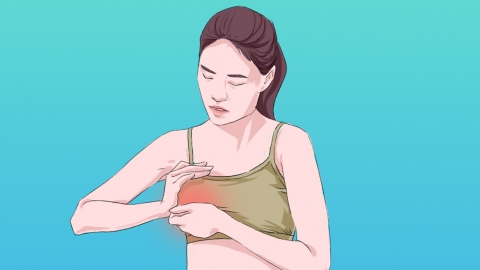
Milk stasis can be caused by factors such as nipple injury or improper breastfeeding posture. Stagnant milk can increase pressure within the breast ducts, creating conditions favorable for bacterial infection, which may lead to mastitis. Symptoms may include breast pain, hard lumps, swelling, and redness. It is recommended to maintain proper breast drainage, empty the breasts promptly, use a breast pump if necessary, and apply warm compresses and massage to aid milk expression.
2. Hormonal Changes
Hormonal fluctuations may affect the physiological condition of breast tissue and increase the risk of mastitis. Symptoms may include breast tenderness, sensitivity, and mood swings. It is recommended to maintain good breastfeeding habits to prevent milk stasis. If necessary, consult a doctor about regulating hormone levels, and maintain breast hygiene using mild cleansing products.
3. Weakened Immune Function
Reduced immune system function decreases the body's resistance to bacteria, thereby increasing the risk of developing mastitis. Symptoms may include recurrent mastitis, susceptibility to infections, and fatigue. It is recommended to enhance immunity through adequate rest and nutrition. Additionally, actively treat any underlying medical conditions to improve immune function.
4. Poor Dietary Habits
Regular consumption of spicy, stimulating foods or alcohol, particularly those containing high levels of hormones, may elevate estrogen levels, leading to breast lumps and potentially causing mastitis. It is recommended to maintain healthy dietary habits, eat light meals, and ensure adequate and balanced nutrition.
5. Bacterial Infection
If the nipple is cracked or damaged, bacteria may enter through the wound and multiply within the breast tissue, causing an inflammatory response. Symptoms may include redness, swelling, warmth, and pain in the breast, fever, and nipple discharge. It is recommended to take antibiotics orally under a doctor's guidance, such as norfloxacin capsules, amoxicillin capsules, or cefixime. Maintain proper breast hygiene and avoid nipple injury.
When treating mastitis, it is important to choose suitable treatment methods based on individual circumstances. At the same time, maintain healthy lifestyle habits and a positive mindset.