


How to completely cure cervical spondylosis (cervical bone spurs)

Generally speaking, there is no such thing as "how to completely cure cervical bone spurs." Cervical bone spurs may be caused by factors such as low immunity, blockage of the salivary gland duct, mumps, acute suppurative parotitis, or chronic obstructive parotitis. Improvement can be achieved through general treatment and medication. It is important to seek medical attention promptly and follow medical advice for treatment. Specific details are as follows:
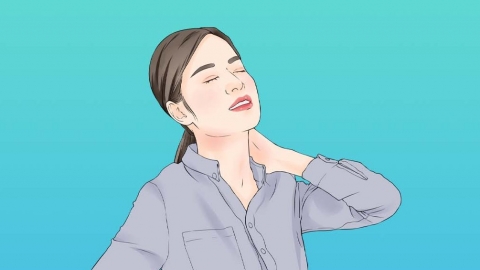
1. Low immunity: Low immunity refers to a decreased ability of the body to defend against pathogens. When the body cannot effectively fight off the mumps virus or other pathogens, infection and subsequent mumps may occur. Immunity can be improved through a balanced diet, moderate exercise, and sufficient rest. During an outbreak of mumps, patients should rest in bed until the swelling of the salivary glands subsides.
2. Blockage of the salivary gland duct: Blockage of the salivary gland duct may be caused by stones, foreign bodies, or inflammation within the salivary duct. When the duct becomes blocked, saliva cannot drain properly, leading to increased pressure within the salivary gland, promoting bacterial growth, and causing infection and parotitis. If the blockage is caused by stones or foreign bodies, they can be removed through surgery or endoscopic treatment. If the blockage is severe and recurrent, consideration may be given to surgical removal of the salivary gland.
3. Mumps: Mumps is an acute respiratory infectious disease caused by the mumps virus. The virus spreads through droplets and causes swelling and inflammation of the salivary glands after infection, often accompanied by fever. Antiviral, anti-inflammatory, and heat-clearing treatments may be administered as directed by a physician, including medications such as ribavirin tablets, PudiLan oral liquid, and Qingkailing capsules.
4. Acute suppurative parotitis: Acute suppurative parotitis is a bacterial infection-induced inflammation of the parotid gland. Common bacteria include Staphylococcus aureus and streptococcus. Bacteria enter and multiply in the parotid gland through the bloodstream or lymphatic circulation, resulting in inflammation and swelling of the gland. Antibiotics such as ampicillin capsules, amoxicillin capsules, and cefuroxime axetil tablets may be used under the guidance of a physician to combat infection and inflammation.
5. Chronic obstructive parotitis: Chronic obstructive parotitis is an inflammation of the parotid gland caused by poor drainage of saliva due to narrowing or blockage of the parotid duct. This may be caused by parotid duct stones, inflammation, or congenital developmental abnormalities, leading to recurrent swelling of the parotid gland. Medications such as ibuprofen granules, acetaminophen tablets, and prednisone acetate tablets may be used as directed by a physician for pain relief and anti-inflammatory purposes.
During treatment, it is important to follow medical advice, take medications on time, and pay attention to adjusting lifestyle habits and dietary habits to promote recovery.


