


The most effective method for reducing belly fat and waistline赘肉 (excess fat)

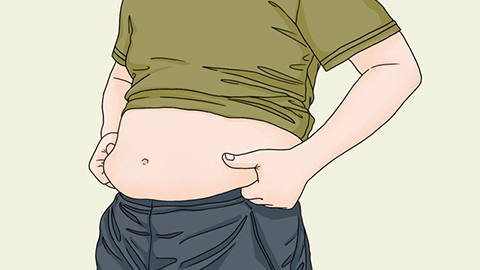
Reducing abdominal and waist fat refers to reducing fat accumulation in the abdominal and waist areas. There is no such thing as "the most effective method for reducing abdominal and waist fat." Abdominal and waist fat accumulation may be caused by improper diet, lack of exercise, insulin resistance, polycystic ovary syndrome (PCOS), diabetes, and other factors. General treatments, medications, or other methods may be employed based on individual conditions to manage or alleviate the issue. It is recommended to seek timely medical advice, identify the underlying cause, and undergo symptomatic treatment under a doctor's guidance. A detailed analysis is as follows:
1. Improper Diet
Long-term consumption of high-calorie, high-fat, and high-sugar foods can lead to excess energy intake, with surplus energy being converted into fat stored in the abdominal and waist areas. It is recommended to adjust dietary habits and reduce intake of high-calorie foods.
2. Lack of Exercise
Insufficient physical activity or prolonged sitting can result in inadequate energy expenditure within the body, preventing effective breakdown and consumption of fat, which then accumulates in the abdominal and waist areas. It is recommended to avoid prolonged sitting and to stand up and move around regularly.
3. Insulin Resistance
Due to decreased sensitivity to insulin, the body cannot effectively utilize glucose in the bloodstream, leading to elevated blood sugar levels that are then converted into fat stored in the abdominal and waist areas. This may be accompanied by obesity, hypertension, and other conditions. Patients may follow medical advice to use medications such as acarbose tablets, metformin hydrochloride sustained-release tablets, or glipizide tablets for treatment.
4. Polycystic Ovary Syndrome (PCOS)
This condition may be related to genetic and environmental factors, leading to ovarian dysfunction and elevated androgen levels, which alter fat distribution patterns and result in noticeable fat accumulation in the abdominal and waist areas. It may be accompanied by irregular menstruation, hirsutism (excessive hair growth), and other symptoms. Patients may follow medical advice to use medications such as progesterone capsules, dydrogesterone tablets, or letrozole tablets for treatment.
5. Diabetes
Poor blood sugar control leads to abnormal lipid metabolism in the body, potentially causing abnormal fat accumulation in the abdominal and waist areas, accompanied by symptoms such as increased thirst, increased appetite, and frequent urination. Patients may use medications such as insulin glargine injection, insulin aspart injection, or insulin degludec injection under a doctor's guidance.
Adopting a healthy lifestyle, including a balanced diet, moderate exercise, and adequate sleep, is an important approach to preventing and managing abdominal and waist fat accumulation.


