


How can dentures be whitened if they turn black?

Generally speaking, there is no such thing as "how to whiten dentures if they turn black." Dentures turning black may be caused by smoking, material oxidation, tartar buildup, dry mouth syndrome, periodontal disease, and other factors. It is recommended to seek timely medical attention, identify the underlying cause, and proceed with recovery through general treatment, medication, or surgical treatment under the guidance of a professional doctor. A detailed analysis is as follows:
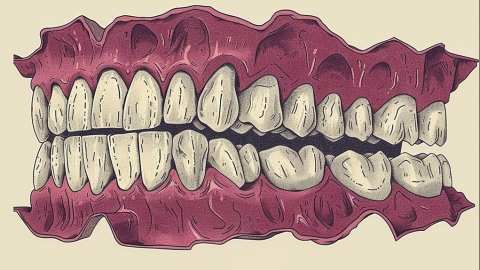
1. Smoking
Smoking releases numerous harmful substances, such as nicotine and tar, which accelerate staining on the surface of dentures, causing them to darken. This may be accompanied by symptoms like bad breath, yellowing of teeth, and respiratory diseases. It is recommended to quit smoking promptly and schedule regular professional cleaning for your dentures to help reduce discoloration.
2. Material Oxidation
Over time, materials such as resin and plastic used in removable dentures are prone to oxidation, leading to darkening of color. Usually, no other symptoms are present. If functionality is unaffected, replacement may not be necessary. However, if aesthetics or deformation become concerns, it is recommended to have new dentures fabricated.
3. Tartar Buildup
Poor oral hygiene can lead to tartar accumulation at the neck of the denture teeth, forming hard deposits that cause the dentures to darken. Symptoms may include bad breath and swollen gums. It is recommended to remove tartar using ultrasonic scaling to restore the original color of the dentures. The color of the dentures can improve immediately after ultrasonic scaling, but maintaining good oral hygiene is essential to prevent tartar from reaccumulating.
4. Dry Mouth Syndrome
Dry mouth syndrome refers to reduced saliva production in the oral cavity, which diminishes the natural self-cleaning function of the mouth. This allows food debris and bacteria to adhere more easily to the surface of dentures, accelerating discoloration. Symptoms may include dry mouth, difficulty swallowing, and altered taste sensation. It is recommended to increase water intake and avoid oral care products containing alcohol, as alcohol may worsen dry mouth symptoms.
5. Periodontal Disease
Periodontal disease may lead to an increase in oral bacteria, accelerating plaque formation on the surface of dentures, which can cause discoloration. Symptoms may include red and swollen gums, bleeding, and loose teeth. It is recommended to visit the dental department regularly for professional cleaning and use medications such as norfloxacin capsules, amoxicillin capsules, and cefixime to control infection.
When treating blackened dentures, it is important to choose the appropriate treatment method based on individual circumstances. At the same time, maintaining good lifestyle habits and a positive mindset is essential.


