How is the IUD removal procedure performed?
Dec 25, 2024
Source: Cainiu Health

Dr. Zhang Lu
Introduction
In general, the intrauterine device (IUD) removal procedure is a relatively simple yet delicate gynecological procedure. The specific process can be divided into preoperative preparation, anesthesia, surgical procedure, postoperative observation and management, and postoperative follow-up. IUD removal is considered a relatively safe and effective procedure. Patients should fully understand the potential risks and precautions associated with the procedure before surgery and follow the doctor's recommendations for recovery afterward.
Generally speaking, removal of an intrauterine device (IUD) is a relatively simple yet delicate gynecological procedure. The specific process can be divided into preoperative preparation, anesthesia, surgical procedure, postoperative observation and management, and postoperative follow-up. The detailed explanation is as follows:
1. Preoperative Preparation
Prior to the procedure, the patient needs to undergo a series of examinations, including ultrasound to determine the position, shape, and whether there is embedding or displacement of the IUD. Additionally, routine blood and urine tests as well as vaginal discharge examination are required to assess the patient's general health condition and to check for possible infection. After being informed about the surgical risks and precautions, the patient is required to sign a consent form. Before the surgery, the patient should clean the external genital area and maintain local hygiene. The surgeon will sterilize the surgical instruments to ensure aseptic operation.
2. Anesthesia
IUD removal can be performed either with pain relief (pain-free removal) or without (conventional removal). Pain-free removal usually involves intravenous or local anesthesia to ensure the patient does not experience pain during the procedure. The choice of anesthesia should be based on the patient's individual condition and the doctor's recommendation.
3. Surgical Procedure
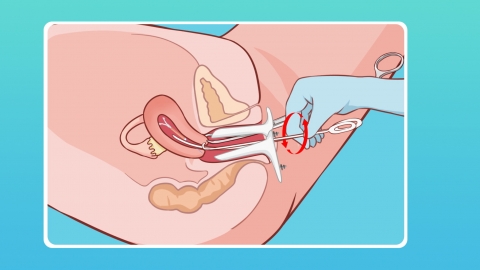
The doctor will use a vaginal speculum to widen the vagina to allow access for subsequent procedures. A cervical clamp will be used to hold the cervix, and a probe will be inserted into the uterine cavity to locate the position of the IUD. The doctor will then use a ring forceps or hook to grasp the IUD, gently rotate it, and remove it. During the removal process, care will be taken to avoid damaging the endometrium or the myometrium.
4. Postoperative Observation and Management
After the IUD is removed, the doctor will monitor the uterine cavity for any bleeding or uterine contractions. Any abnormalities will be promptly addressed. Postoperatively, the patient will be given antibiotics to prevent infection. The patient should rest appropriately and avoid strenuous exercise and overexertion. Personal hygiene should also be maintained, keeping the external genital area clean and dry.
5. Postoperative Follow-up
Following the procedure, the patient should schedule regular follow-up visits to monitor cervical recovery and assess the risk of potential complications. Sexual intercourse should be avoided for two weeks post-surgery to prevent infection. Maintaining a regular sleep schedule and a balanced diet can help promote recovery. In addition, consumption of spicy or irritating foods and beverages should be avoided.
IUD removal is generally a safe and effective procedure. However, patients should fully understand the risks and precautions before surgery and follow the doctor's advice for postoperative recovery and follow-up. If any discomfort or abnormal symptoms occur, prompt medical attention should be sought.