


How is bilateral lower limb vascular occlusive disease treated?

Generally, bilateral lower limb vascular occlusion may be caused by不良 lifestyle habits, congenital vascular developmental abnormalities, lower extremity deep vein thrombosis, arteritis, atherosclerosis, and other factors. Measures such as general treatment and medication can be taken to improve the condition. Prompt medical attention and treatment according to medical advice are necessary. Details are as follows:
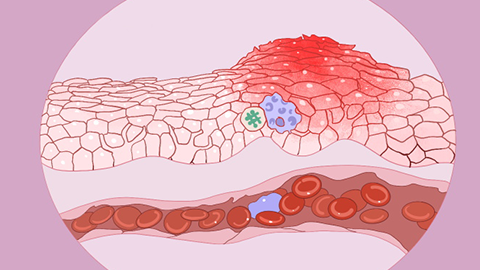
1.不良 lifestyle habits: Long-term不良 lifestyle habits may lead to poor circulation in the lower limbs, increased blood viscosity, and increased risk of bilateral lower limb vascular occlusion. Lifestyle modifications are recommended, including increased physical activity such as aerobic exercises like walking, jogging, or swimming, to promote circulation in the lower limbs. Maintain a balanced diet and reduce intake of high-fat, high-calorie foods to lower blood viscosity.
2. Congenital vascular developmental abnormalities: Congenital vascular developmental abnormalities may cause structural abnormalities in the walls of lower limb blood vessels, such as lack or dysfunction of elastic fibers in the vascular wall or poor development of the muscular layer. These abnormalities may increase the fragility of blood vessels, making them prone to occlusion. Surgical intervention may be required to repair or remove the abnormal vascular tissue.
3. Lower extremity deep vein thrombosis: Thrombosis refers to the aggregation of coagulation factors under certain conditions, leading to the formation of clots on the inner lining of blood vessels. This can cause local ischemia and tissue necrosis, resulting in bilateral lower limb vascular occlusion and symptoms such as leg pain. Anticoagulant medications such as warfarin sodium tablets, rivaroxaban tablets, or calcium dobesilate capsules should be used under medical guidance to prevent clot formation and promote venous blood return in the lower limbs.
4. Arteritis: Arteritis is an autoimmune disease that can cause thickening of the vessel wall and narrowing or occlusion of the lumen. When the inflammation affects the arteries of the lower limbs, it can lead to bilateral lower limb vascular occlusion and symptoms such as numbness. Immunosuppressive medications such as cyclophosphamide tablets, methotrexate tablets, or azathioprine tablets may be used under medical guidance.
5. Atherosclerosis: Atherosclerosis refers to the gradual accumulation of cholesterol and other substances on the inner walls of arteries, forming plaques that cause arterial narrowing and hardening. These plaques may lead to vascular occlusion, causing bilateral lower limb vascular occlusion and symptoms such as coldness in the lower limbs. Medications such as warfarin sodium tablets, rivaroxaban tablets, or atorvastatin calcium tablets may be used under medical guidance for anticoagulation and lipid-lowering therapy.
Maintaining good lifestyle habits and undergoing regular medical check-ups in daily life can help prevent bilateral lower limb vascular occlusion.


