


How to treat axillary odor
Dec 25, 2024
Source: Cainiu Health

Dr. Liu Wenmin
Introduction
The occurrence of axillary odor may be caused by genetic factors, unhealthy lifestyle habits, endocrine disorders, abnormal sweat gland secretion, bacterial infections, and other factors. It can usually be treated through lifestyle adjustments, medication, physical therapy, surgical treatment, etc. At the same time, it is important to maintain personal hygiene and regularly clean and disinfect the armpit area to reduce the occurrence of axillary odor.
Axillary odor may be caused by factors such as genetic predisposition, poor lifestyle habits, endocrine disorders, abnormal sweat gland secretion, and bacterial infection. It can usually be treated through lifestyle modifications, medication, physical therapy, or surgical treatment. If abnormalities occur, timely medical consultation is recommended. Detailed analysis is as follows:
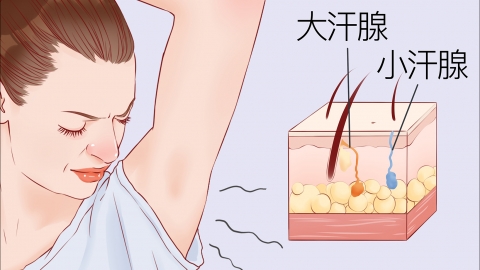
1. Genetic factors: Due to gene mutations, the function of apocrine sweat glands under the armpit becomes abnormal, causing sweat to be decomposed by bacteria and produce odor. If there is a family history of axillary odor, the risk of developing the condition may increase. For axillary odor caused by genetic factors, surgical treatments such as laser ablation of sweat glands can be considered.
2. Poor lifestyle habits: Prolonged lack of bathing and wearing tight clothing can lead to poor sweat evaporation, worsening axillary odor. It is recommended to maintain good lifestyle habits, such as bathing regularly, changing clothes frequently, and choosing breathable clothing to reduce sweat retention and bacterial growth.
3. Endocrine disorders: Endocrine imbalances, especially excessive levels of androgens, can stimulate increased sweat gland secretion, leading to axillary odor. Additionally, vigorous sex hormone secretion during puberty may also cause axillary odor. Adjusting dietary habits and consuming more light, vitamin-rich foods may help improve endocrine imbalances. Patients with severe symptoms can follow medical advice to use medications such as propylthiouracil tablets, methimazole tablets, and propranolol hydrochloride tablets.
4. Abnormal sweat gland secretion: Excessive sweat gland secretion is a direct cause of axillary odor. When sweat glands secrete excessive sweat, proteins and fatty acids in the sweat are decomposed by bacteria, producing a pungent odor. For abnormal sweat gland secretion, medications such as formaldehyde solution, hexamethylenetetramine solution, and atropine sulfate tablets can be used under medical guidance to inhibit sweat gland secretion and reduce odor. If necessary, physical treatments such as radiofrequency microneedling, microwave therapy, high-frequency electroacupuncture, and laser therapy can be considered.
5. Bacterial infection: Bacteria decompose organic substances in sweat, forming short-chain fatty acids and ammonia with a distinct odor. Regular cleaning and disinfection of the armpit area are recommended to reduce bacterial numbers. If necessary, medications such as cefuroxime axetil tablets, cefradine capsules, and levofloxacin tablets can be used under medical guidance.
In addition, attention should be paid to personal hygiene, with regular cleaning and disinfection of the armpit area to reduce the occurrence of axillary odor.




