How is teeth cleaning performed?
Dec 25, 2024
Source: Cainiu Health

Dr. Liu Chao
Introduction
Scaling is a process of removing dental calculus, plaque, and pigmentation from the tooth surfaces using professional techniques and equipment, aimed at maintaining periodontal health. It typically includes manual scaling, ultrasonic scaling, air-polishing, polishing, and combination scaling approaches. After scaling, it is important to maintain good oral hygiene and follow a proper diet to preserve the effects of scaling and prevent the occurrence of periodontal disease.
Scaling is a process of removing dental calculus, plaque, and pigmentation from the tooth surfaces using professional techniques and equipment to maintain periodontal health. It typically includes manual scaling, ultrasonic scaling, air-polishing, polishing after scaling, and combined scaling approaches. A detailed explanation is as follows:
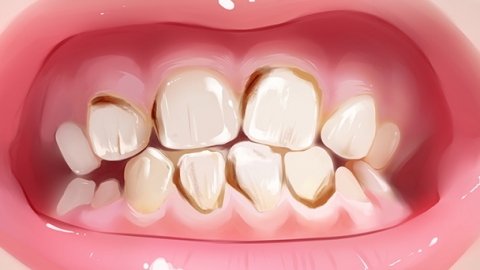
1. Manual Scaling: Manual scaling involves using handheld scaling instruments to meticulously remove deposits from the tooth surfaces through physical scraping. This method is relatively slower but ensures careful care for teeth and gums, making it suitable for individuals with special needs or sensitive teeth.
2. Ultrasonic Scaling: Ultrasonic scaling uses high-frequency vibrations to break up and remove dental calculus and plaque. This method is fast and efficient, quickly restoring the cleanliness of the teeth. However, ultrasonic scaling is not suitable for patients with blood-borne infectious diseases.
3. Air-Polishing: Air-polishing utilizes a high-pressure air stream to spray a special salt and sand mixture onto the tooth surfaces, effectively removing pigmentation, smoke stains, tea stains, and other deposits. This method is suitable for patients with significant pigmentation, as it can restore the natural color of teeth while also providing a polishing effect.
4. Polishing After Scaling: Polishing involves using a polisher to further smooth the tooth surfaces, helping eliminate fine scratches and irregularities, making teeth smoother and shinier. It is usually used in combination with other scaling methods to achieve better cleaning results.
5. Combined Scaling: Sometimes, dentists may combine multiple scaling methods based on the patient's specific condition. For example, ultrasonic scaling may first be used to quickly remove most of the calculus and plaque, followed by air-polishing to eliminate pigmentation and minor stains, and finally polishing to finish the process. This comprehensive approach ensures thorough and complete scaling.
After scaling, attention should be paid to oral hygiene and a balanced diet to maintain the effects of scaling and prevent the occurrence of periodontal disease.