


What is the most effective treatment for tenosynovitis?
Dec 25, 2024
Source: Cainiu Health

Dr. Chen Jian
Introduction
There is no definitive statement regarding the most effective treatment for tenosynovitis without a proper diagnosis. In general, tenosynovitis may be related to factors such as age, repetitive strain, trauma, rheumatoid arthritis, diabetes, and others. Patients can alleviate symptoms through appropriate exercise, reducing repetitive movements, cold compresses, and medication. It is recommended that patients seek timely medical attention at a hospital and follow the treatment guidance provided by their physician.
There is no definitive statement on the most effective treatment for tenosynovitis. Generally, tenosynovitis may be related to factors such as age, repetitive strain, trauma, rheumatoid arthritis, diabetes, and others. Patients can alleviate symptoms through appropriate exercise, reducing repetitive movements, cold compresses, and medication. It is recommended that patients seek timely medical attention and follow medical advice for treatment. Detailed analysis is as follows:
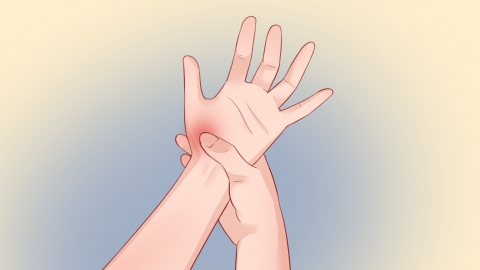
1. Age-related factors: With aging, the soft tissues surrounding the joints gradually degenerate, and the elasticity of the tendon sheaths weakens, making them more susceptible to injury and inflammation. Maintaining appropriate joint activity, performing joint exercises, strengthening muscle strength, and using physical therapies such as heat application and ultrasound may help.
2. Repetitive strain: Prolonged repetitive hand or wrist movements, such as typing or knitting, can cause excessive friction and pressure on the tendon sheaths, leading to inflammation. Reducing repetitive movements, taking adequate rest, and using physical therapies such as heat application and massage may be beneficial.
3. Trauma: Injury to the hand or wrist from external impact or compression can damage the tendon sheaths, causing inflammation, localized pain, swelling, restricted movement, and possibly subcutaneous bleeding or bruising. Initial treatment should involve cold compresses to reduce bleeding, followed by heat application to promote inflammation resolution. Surgery may be necessary in some cases.
4. Rheumatoid arthritis: Rheumatoid arthritis is an autoimmune disease that causes inflammation of the joint synovium, affecting the normal function of tendon sheaths. Symptoms may include joint pain, swelling, stiffness, often presenting symmetrically. Patients should follow medical advice to use medications such as iguratimod tablets, tofacitinib citrate tablets, and leflunomide tablets to aid recovery.
5. Diabetes: Long-term diabetes can lead to vascular and neurological complications, affecting the blood supply and nutrient delivery to the tendon sheaths, thereby triggering inflammation. Symptoms may include joint pain, numbness, abnormal sensations, and possibly skin ulcers or infections. Patients are advised to use medications such as metformin hydrochloride tablets, repaglinide tablets, and glipizide tablets under medical guidance to alleviate their condition.
During treatment, patients should actively cooperate with their doctor's recommendations and maintain healthy lifestyle habits and a positive mindset to achieve optimal therapeutic outcomes.






