How to effectively treat salpingitis
Dec 25, 2024
Source: Cainiu Health

Dr. Zhang Lu
Introduction
Salpingitis is a common gynecological condition in women, primarily caused by prolonged sitting and tight clothing, unhealthy lifestyle habits, improper surgical procedures, pathogen infection, and diabetes. It can typically be effectively treated through a comprehensive approach including medication, physical therapy, and surgical treatment. Women should maintain a balanced diet, engage in appropriate exercise, and maintain a positive mindset.
Adnexitis is a common gynecological condition in women, primarily caused by prolonged sitting and tight clothing, unhealthy lifestyle habits, improper surgical procedures, pathogen infection, and diabetes. It can usually be effectively treated through a combination of medical treatment, physical therapy, and surgical intervention. If abnormal symptoms occur, timely medical consultation is recommended. The detailed explanations are as follows:
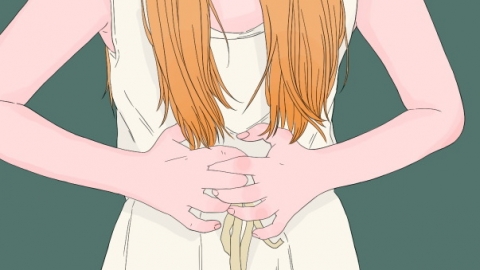
1. Prolonged Sitting and Tight Clothing: Long periods of sitting may hinder blood circulation in the lower limbs, affecting the normal detoxification function of the ovaries and fallopian tubes, thereby triggering inflammation. Wearing tight pants or similar clothing frequently can cause vaginal discharge to accumulate, leading to adnexitis due to ascending vaginal inflammation. It is advisable to improve sitting habits, avoid prolonged sitting, wear loose and breathable clothing, and maintain cleanliness and dryness in the vaginal area.
2. Unhealthy Lifestyle Habits: Poor sexual hygiene, sexual activity during menstruation, and inadequate personal hygiene may lead to pathogen infection, resulting in adnexitis. It is important to improve lifestyle habits, maintain external genital cleanliness, change underwear regularly, and avoid unhygienic sexual practices.
3. Improper Surgical Procedures: Intrauterine or gynecological surgeries performed improperly may also lead to pathogen infection, causing adnexitis. Symptoms may include postoperative abdominal pain and fever. Treatment may involve following medical advice to use antibiotics such as amoxicillin capsules, cefradine capsules, or cefixime dispersible tablets to control infection, along with wound debridement and dressing changes. If necessary, a secondary surgery may be required to repair damaged tissues.
4. Pathogen Infection: Infections caused by pathogens such as bacteria, viruses, and mycoplasma are among the main causes of adnexitis. These pathogens can invade the fallopian tubes and ovaries through the vulva, vagina, or cervix, leading to inflammation. Accompanying symptoms may include lower abdominal pain, fever, and increased vaginal discharge. Following medical advice, antibiotics such as cefazolin sodium for injection, acyclovir tablets, or fluconazole tablets may be used to eliminate pathogens and reduce inflammation.
5. Diabetes: Diabetes, which may be associated with genetic and obesity factors, can lead to a weakened immune system and increase the risk of adnexitis. These factors may cause vaginal microecological imbalance and reduced immunity, increasing the likelihood of pathogen infection. Treatment may involve following medical advice to use medications such as metformin hydrochloride tablets, gliclazide modified-release tablets, or repaglinide tablets to manage the condition.
Women should maintain a balanced diet, engage in appropriate physical activity, and maintain a positive mindset to enhance overall physical health and immunity, thereby reducing the risk of diseases.