


How is tibial tuberosity osteochondritis treated?
Dec 25, 2024
Source: Cainiu Health

Dr. Chen Jian
Introduction
The occurrence of tibial tuberosity osteochondritis may be caused by rapid skeletal growth and development, sudden changes in exercise habits, skeletal malnutrition, trauma, or chronic strain. General treatment methods include rest, physical therapy, and medication; surgical intervention may be necessary in some cases. Additionally, adjusting exercise habits can help promote recovery. If any abnormalities occur, prompt medical attention is recommended.
The occurrence of tibial tuberosity osteochondritis may be caused by rapid skeletal growth and development, sudden changes in exercise habits, skeletal malnutrition, trauma, or chronic strain. General treatment methods include rest, physical therapy, and medication; surgery may be necessary in some cases. Adjustments to exercise habits are also important to promote recovery. If abnormalities occur, prompt medical attention is recommended. A detailed analysis is as follows:
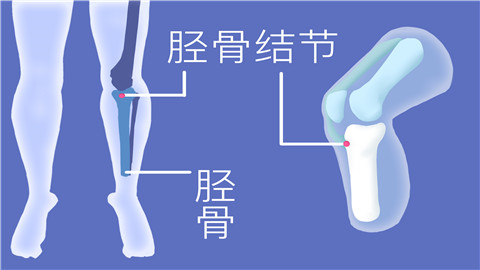
1. Rapid skeletal growth: During adolescence growth spurts, bones grow quickly, especially at the tibial tuberosity. If the surrounding tissues cannot keep pace with the growth rate, it may create tensile stress, leading to aseptic inflammation. At this time, it is important to reduce strenuous physical activity, allow sufficient rest, and apply heat or physical therapy appropriately to relieve pain and promote healing.
2. Sudden change in exercise habits: A sudden increase in exercise volume or a change in type of exercise—for example, shifting from prolonged sitting to frequent jumping—may place excessive pressure on the tibial tuberosity, triggering inflammation. It is recommended to adjust the intensity of exercise, gradually increase the workload, and employ physical therapies such as ice application and massage to reduce pain and inflammation.
3. Skeletal malnutrition: Insufficient intake of minerals such as calcium and phosphorus, or vitamin D deficiency, can affect normal skeletal development, making the tibial tuberosity more susceptible to damage and inflammation. Accompanying symptoms may include general fatigue and bone pain. Treatment methods include improving diet, increasing foods rich in calcium, phosphorus, and vitamin D, and taking supplements when necessary, along with enhanced physical activity to promote bone health.
4. Trauma: Direct impact or falling may cause force to be exerted on the tibial tuberosity, leading to localized injury and an inflammatory response. Accompanying symptoms may include pain, swelling, and limited mobility. Treatment methods include initial cold compresses, later application of heat, and the use of non-steroidal anti-inflammatory drugs such as ibuprofen sustained-release capsules, diclofenac sodium sustained-release tablets, and meloxicam tablets to relieve pain and inflammation. Severe trauma may require surgical treatment.
5. Chronic strain: Prolonged running, jumping, or similar activities can cause long-term stress stimulation on the tibial tuberosity, making it prone to chronic strain and inflammation, typically manifested as persistent pain that worsens with activity. Patients should reduce related activities and employ physical therapies such as ultrasound and electrotherapy to promote recovery. Local corticosteroid injections may be necessary in some cases.
In daily life, maintaining a reasonable intensity of exercise, avoiding excessive strain, paying attention to balanced nutrition, enhancing physical fitness, and reducing the occurrence of diseases are recommended.



