


What to do if a one-month-old baby has a fever

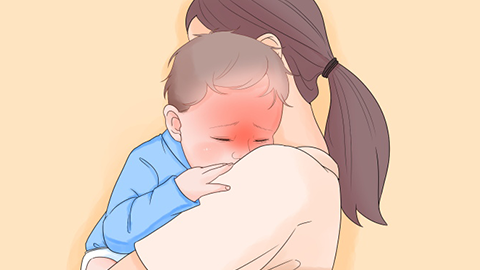
Generally speaking, fever refers to elevated body temperature. A one-month-old baby's fever may be related to factors such as high environmental temperature, excessive warming, crying and activity, upper respiratory tract infection, or infantile emergency rash. It is recommended to seek timely medical attention and follow the doctor's guidance regarding general treatment or medication. Detailed explanations are as follows:
1. High Environmental Temperature
Newborns' body temperature regulation centers are not yet fully developed, making them susceptible to external environmental temperatures. When the ambient temperature is too high, the baby's body cannot effectively dissipate heat, resulting in elevated body temperature. It is recommended to maintain an appropriate environmental temperature for the baby and avoid excessively high or low room temperatures.
2. Overheating
Parents concerned about their baby getting chilled may dress the baby in too many clothes or use overly thick blankets, preventing heat dissipation and causing elevated body temperature. It is recommended to adjust clothing and blankets appropriately according to weather changes and the baby's specific condition, avoiding excessive warming.
3. Crying and Activity
When babies cry or are active, their bodies generate significant heat, which may lead to elevated body temperature if not dissipated promptly. It is recommended to try to meet the baby's needs and minimize unnecessary crying. During activity, ensure proper indoor ventilation and avoid excessively high environmental temperatures.
4. Upper Respiratory Tract Infection
Upper respiratory tract infections are usually caused by viral or bacterial infections. The inflammatory response triggered by such infections can cause elevated body temperature. Symptoms typically include runny nose, coughing, and sneezing. Follow medical advice when using medications such as compound paracetamol and amantadine tablets, isatis root granules, oseltamivir phosphate capsules, and others for treatment.
5. Infantile Emergency Rash
Infantile emergency rash is usually caused by human herpesvirus 6 infection. The inflammation triggered by the viral infection leads to high fever. Symptoms generally include listlessness, poor appetite, and disturbed sleep. Follow medical advice when using antiviral oral liquid, ribavirin granules, ibuprofen suspension drops, and other medications for treatment.
In daily life, adjust the baby's environmental temperature according to weather changes, avoiding excessively high or low room temperatures that may affect the baby.


