


What are the emergency measures for a child's fever?
Dec 26, 2024
Source: Cainiu Health

Dr. Zhou Xiaofeng
Introduction
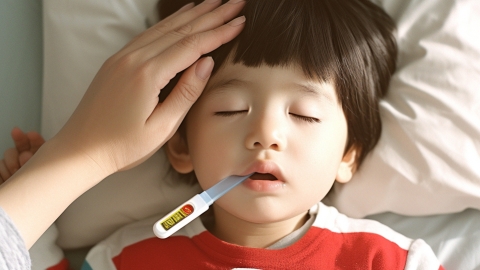
Fever refers to an elevated body temperature. In children, fever may be associated with factors such as common cold, acute pharyngitis, tonsillitis, acute otitis media, and acute sinusitis. General treatment and medication, under a doctor's guidance, can be used for emergency management. It is recommended to regularly provide children with foods rich in vitamins and protein to enhance immunity. Avoid excessive intake of greasy, spicy, and irritating foods.
Generally speaking, fever refers to elevated body temperature. Fever in children may be related to factors such as common cold, acute pharyngitis, tonsillitis, acute otitis media, and acute sinusitis. Emergency treatments such as general management and medication can be administered under the guidance of a physician. Detailed explanations are as follows:
1. Common Cold
A common cold may be caused by viruses such as rhinovirus, coronavirus, and adenovirus. After invading the body, the viruses replicate and produce toxins that act on the body's temperature-regulating center, potentially causing fever. Symptoms often include cough and sputum production. It is recommended to rest adequately, drink plenty of water, maintain good indoor air circulation, and avoid allergens and pathogens. Additionally, medications such as pediatric paracetamol and chlorpheniramine tablets, ibuprofen tablets, and paracetamol tablets may be used under a doctor's guidance.
2. Acute Pharyngitis
Acute pharyngitis may be caused by viruses such as rhinovirus, adenovirus, enterovirus, and respiratory syncytial virus. These viruses replicate in the pharynx or larynx, potentially causing local inflammation. Inflammatory mediators and toxins acting on the temperature-regulating center may lead to fever. Symptoms may include throat itching and pain. It is advisable to drink sufficient water to keep the throat moist and avoid spicy or greasy foods. Antimicrobial medications such as cefixime tablets, acyclovir tablets, and ribavirin granules may be used under medical supervision.
3. Tonsillitis
Tonsillitis is commonly caused by group B hemolytic streptococcus. Bacterial replication in the tonsils may trigger local inflammation and immune responses, leading to the release of inflammatory mediators and cytokines that act on the temperature-regulating center, causing elevated body temperature. Symptoms often include high fever and swollen tonsils. Medications such as compound paracetamol amantadine tablets, amoxicillin capsules, and Qingyan dripping pills may be used according to medical advice.
4. Acute Otitis Media
Acute otitis media is an acute suppurative inflammation of the middle ear mucosa, commonly seen in infants and young children. It is primarily caused by bacterial infections such as Streptococcus pneumoniae and Haemophilus influenzae. Bacterial replication in the middle ear may trigger immune responses, resulting in the release of inflammatory mediators and cytokines that act on the temperature-regulating center, leading to fever. Symptoms may include ear pain, fever, and purulent discharge. Treatments such as chloramphenicol ear drops, ofloxacin ear drops, and cefuroxime axetil capsules may be used as advised by a physician.
5. Acute Sinusitis
Acute sinusitis may be triggered by upper respiratory tract infections, with possible concurrent bacterial and viral infections. Bacterial or viral replication in the sinuses may cause local inflammation and infection, with inflammatory mediators and toxins acting on the temperature-regulating center, potentially causing fever. Common symptoms include nasal congestion and purulent nasal discharge. Treatments such as budesonide nasal spray, clarithromycin capsules, and Xiyuanshu capsules may be used as directed by a physician.
It is recommended to feed children foods rich in vitamins and protein regularly to enhance immunity. Avoid excessive consumption of greasy, spicy, or irritating foods.



