


Why does my baby shiver when having a fever, and what should I do?
Dec 26, 2024
Source: Cainiu Health

Dr. Zhou Xiaofeng
Introduction
Under normal circumstances, fever refers to an elevated body temperature. A baby experiencing shivering or trembling during a fever may be due to chills, unstable body temperature regulation, upper respiratory tract infection, febrile convulsion, meningitis, or other related conditions. Treatment may include general care and medication, as directed by a physician. If any discomfort occurs, prompt medical attention is recommended. During the fever, close monitoring of body temperature changes in the baby is important.
Generally speaking, fever refers to elevated body temperature. Shivering in a baby with fever may be caused by chills, unstable body temperature regulation, upper respiratory tract infection, febrile convulsion, meningitis, and other conditions. Treatment can be carried out according to medical advice through general care, medication, or other methods. If discomfort occurs, timely medical attention is recommended. The detailed explanation is as follows:
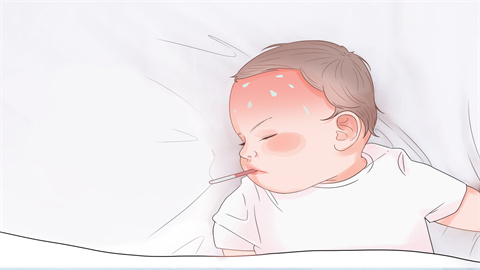
1. Chills Reaction
When a baby has a fever, the body's thermoregulatory center attempts to raise the body temperature to reach a new set point by producing heat through muscle tremors. This is a self-protective mechanism of the body. When pyrogens shift the body's temperature set point upward, chills occur first, followed by a rapid rise in body temperature. Keep the baby warm, but avoid excessive bundling to prevent impaired heat dissipation. When chills are observed, appropriate additional clothing or increasing the room temperature may help reduce the baby's discomfort.
2. Unstable Body Temperature Regulation
The thermoregulatory center in babies is not yet fully developed. During fever, the nervous system may experience temporary instability in regulating body temperature, which can lead to involuntary muscle twitching. It is recommended to maintain a suitable room temperature and adjust the baby's clothing based on activity level and environmental conditions to help maintain a stable thermal environment.
3. Upper Respiratory Tract Infection
Upper respiratory tract infections are primarily caused by viral infections such as rhinovirus and coronavirus. The virus enters the body through the respiratory tract and replicates within mucosal epithelial cells in areas such as the nasal cavity and throat, triggering an inflammatory response and fever. Viral infections can disrupt the function of the thermoregulatory center, and the body may respond with muscle tremors in an effort to combat the virus and raise body temperature. Symptoms such as nasal congestion, runny nose, and sneezing may also occur. Medications such as children's paracetamol and chlorpheniramine granules, antiviral oral liquid, and amoxicillin granules may be used under the guidance of a doctor to alleviate symptoms.
4. Febrile Convulsion
Febrile convulsions mainly occur due to the underdeveloped nervous system in babies. When body temperature rapidly rises above 38.5°C to 39°C, the excitability of brain neurons increases, leading to abnormal discharges that cause generalized muscle spasms, including limb shaking, and may be accompanied by loss of consciousness, clenched teeth, and upward rolling of the eyes. When a baby experiences convulsions, place the baby on their side to prevent aspiration of vomitus. Treatment may include ibuprofen suspension, paracetamol granules, phenobarbital tablets, and other medications, used according to medical advice.
5. Meningitis
Meningitis may be caused by cranial trauma, pathogenic infection, systemic autoimmune diseases, and other factors. Inflammation of the meninges stimulates the nervous system, leading to abnormal nerve conduction, muscle spasms, tremors, and fever. Symptoms such as severe headache, vomiting, and drowsiness may also occur. It is recommended to follow medical advice and use medications such as ornidazole dispersible tablets, dexamethasone acetate tablets, and amoxicillin granules for treatment.
During a baby's fever, close attention should be paid to changes in body temperature. Use an electronic thermometer or mercury thermometer to take regular measurements so that abnormal temperature increases can be detected promptly, allowing early intervention to prevent a rapid rise in temperature that could lead to severe symptoms.


