What should I do if a five-month-old baby has a fever of 37.7°C?
Dec 26, 2024
Source: Cainiu Health

Dr. Zhou Xiaofeng
Introduction
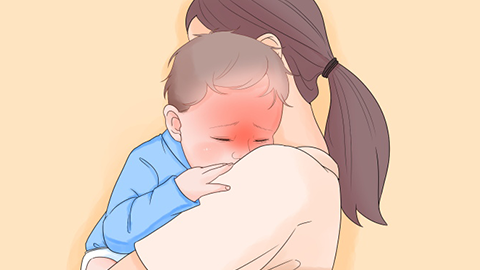
A fever of 37.7°C in a five-month-old infant may be related to incomplete physical development, improper clothing, influenza, infantile emergency rash, or pneumonia. The first two are physiological factors and can be initially observed while making improvements in daily care. The latter three are pathological factors and require timely treatment with appropriate medications under a doctor's guidance.
Generally speaking, fever refers to elevated body temperature. A temperature of 37.7°C in a five-month-old infant may be related to incomplete physical development, improper clothing, influenza, infantile emergency rash, pneumonia, and other factors. Timely general treatment or medication should be given according to the underlying cause. If the illness lasts for a prolonged period, prompt medical attention is required. Detailed analysis is as follows:
1. Incomplete Physical Development
Prior to full physical development, the body's thermoregulatory center is not yet mature. Once affected by external factors, body temperature may rise. This is a normal physiological response and can be temporarily observed without special treatment.
2. Improper Clothing
If the baby is dressed too warmly or in excessive layers, and clothing habits are not adjusted promptly, the body may retain excess heat, potentially causing fever. It is recommended to adjust the baby's clothing promptly, choosing loose and breathable garments whenever possible.
3. Influenza
Influenza is caused by infection with type A or B influenza virus. When the virus is not cleared from the body in a timely manner and repeatedly stimulates the body, it can cause fever. It is usually accompanied by symptoms such as chills and general fatigue. Prompt improvements to the living environment should be made, and medications such as ribavirin injection, oseltamivir phosphate dry suspension, and Lianhua Qingwen granules should be used under a doctor's guidance.
4. Infantile Emergency Rash
Infantile emergency rash is an acute febrile exanthematous disease caused by viral infection. When a viral infection triggers an immune response, it may lead to elevated body temperature. It is typically accompanied by symptoms such as skin rash and redness. Skin hygiene should be maintained during treatment, with regular cleansing of the affected areas using warm water. Treatment should also follow the physician's instructions for the use of calamine lotion, acyclovir injection, and Pudilan Xiaoyan oral liquid.
5. Pneumonia
Pneumonia is a lower respiratory tract infection caused by bacteria, viruses, or other pathogens. When pathogens invade the lungs and trigger an inflammatory response, body temperature rises. Symptoms may include coughing and sputum production. After diagnosis, it is recommended to promptly follow medical advice and use medications such as cefixime granules, ribavirin granules, ambroxol hydrochloride oral solution, and others for treatment.
In daily life, parents should ensure the infant gets plenty of rest and follows a bland diet, which can aid in recovery.