


There are several types of second-degree sinoatrial conduction block.

Generally, second-degree sinoatrial block is mainly divided into two types: second-degree type I sinoatrial block and second-degree type II sinoatrial block. Detailed analysis is as follows:
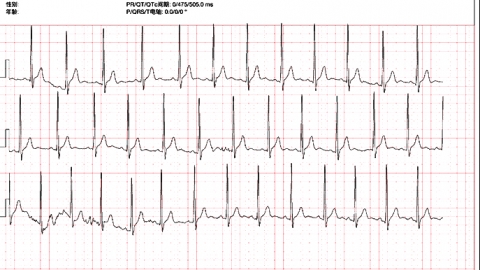
1. Second-degree type I sinoatrial block
Second-degree type I sinoatrial block may be caused by temporary dysfunction in conduction within the sinoatrial junctional area. This type of block generally has a favorable prognosis because the block is progressive and often resolves spontaneously.
2. Second-degree type II sinoatrial block
Second-degree type II sinoatrial block may be caused by an extended absolute refractory period in the sinoatrial junctional area. This type of block can be more serious because the block is sudden and may lead to significant bradycardia, causing symptoms such as dizziness and syncope. Patients may also experience associated symptoms such as fatigue and palpitations, and in severe cases, a pacemaker may be required for treatment.
Risk factors such as strenuous exercise, insufficient rest, staying up late, smoking, and alcohol consumption should be avoided in daily life to reduce the burden on the heart and lower the risk of worsening condition. If severe symptoms such as dizziness or syncope occur, prompt medical attention and appropriate treatment are necessary.


