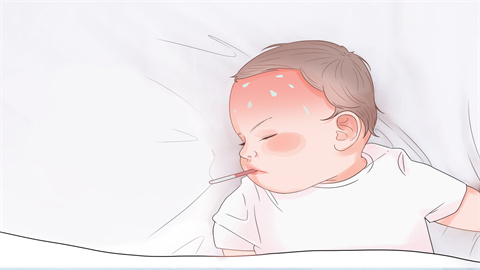
What should I do if my child has a high fever for two days without improvement?
Dec 26, 2024
Source: Cainiu Health

Dr. Zhou Xiaofeng
Introduction
In general, a high fever refers to a high body temperature. If a child has a high fever for two consecutive days without improvement, it may be related to factors such as otitis media, urinary tract infection, roseola infantum, bronchitis, or pneumonia. Timely treatment based on the underlying cause is necessary, including general care and medication. If symptoms persist, prompt medical attention is recommended. During treatment, it is also important to maintain good indoor air circulation to assist with fever reduction.
Generally speaking, a high fever refers to a high temperature. If a child has a high fever for two consecutive days without improvement, it may be related to factors such as otitis media, urinary tract infection, roseola infantum, bronchitis, or pneumonia. Timely treatment based on the underlying cause is necessary, including general care and medication. If symptoms persist, prompt medical attention is recommended. Detailed analysis is as follows:
1. Otitis Media
Otitis media is caused by infection with pathogens such as Streptococcus pneumoniae and Haemophilus influenzae. As the condition worsens, patients may develop a high fever, typically accompanied by ear pain and hearing loss. After diagnosis, medications such as Cefaclor for oral suspension, Ofloxacin ear drops, and Chloramphenicol ear drops may be prescribed by a physician for treatment.
2. Urinary Tract Infection
Urinary tract infections are typically caused by bacterial infection of the urinary tract. The inflammatory response can also cause recurring high fever. Symptoms may include frequent urination, urgency, and painful urination. It is recommended to follow medical advice and promptly use medications such as Amoxicillin and Clavulanate Potassium for oral suspension, Levofloxacin Mesylate for injection, and Erythromycin Ethylsuccinate granules for treatment. Additionally, attention should be paid to urethral hygiene, and the urethra should be cleaned promptly after urination.
3. Roseola Infantum
Roseola infantum is an acute infectious disease caused by human herpesvirus 6. After the virus enters the body, it causes an increase in body temperature, leading to high fever. Symptoms may include loss of appetite and altered mental status. It is recommended to follow medical advice and promptly use medications such as Ribavirin granules, Xiao'er Chiqiao Qingre granules, and Ibuprofen suspension for treatment.
4. Bronchitis
Bronchitis is usually associated with bacterial or viral infections. Pathogens repeatedly stimulate the respiratory tract, causing an inflammatory response that leads to fever. Symptoms may include coughing and rapid breathing. Treatment should follow a physician's recommendations and may include Amoxicillin and Clavulanate Potassium granules, Paracetamol oral solution, and pediatric cough syrup.
5. Pneumonia
Pneumonia is caused by infection with bacteria, viruses, or other pathogens. Repeated inflammatory stimulation of the body can also cause the aforementioned symptoms. Symptoms may include coughing, sputum production, and difficulty breathing. Treatment may be guided by a physician and include medications such as Cefuroxime Axetil granules, Acyclovir for injection, and Ambroxol Hydrochloride oral solution.
Therefore, it is recommended to first identify the cause of the child's high fever before developing an appropriate treatment plan, avoiding self-medication. Additionally, during treatment, indoor air should be kept well-circulated to aid in reducing fever.