


Should I cover my baby with a quilt when they have a fever in summer?
Dec 26, 2024
Source: Cainiu Health

Dr. Zhou Xiaofeng
Introduction
In general, fever refers to an elevated body temperature. Whether to cover a baby with a blanket during summer when they have a fever should be determined based on the progression of the baby's body temperature. If the temperature is in the rising phase, covering with a blanket may be needed. However, during the high fever plateau phase or the temperature decline phase, covering with a blanket is generally unnecessary. It is important to maintain a suitable indoor temperature and ventilation, appropriately add or remove clothing, and avoid excessive bundling or overheating.
Generally speaking, fever refers to an elevated body temperature. Whether a baby should be covered with a blanket during summer fever depends on the progression of the baby's body temperature. If the temperature is in the rising phase, covering with a blanket may be needed. However, during the high fever plateau phase or the temperature declining phase, covering with a blanket is generally unnecessary. Detailed explanations are as follows:
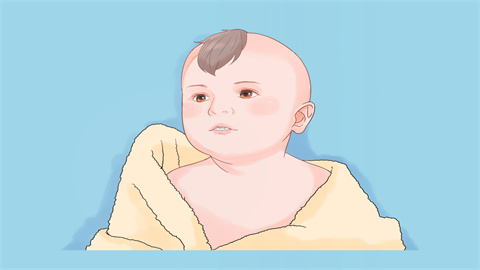
If the baby is in the temperature rising phase, symptoms such as chills and cold hands and feet may appear. At this time, a light blanket can be used to cover the baby appropriately to relieve discomfort, keep warm, and promote blood circulation, thus helping the body better cope with the rising temperature.
However, if the baby is already in the high fever plateau phase or the temperature declining phase, the body will feel hot or begin to sweat. At this time, covering with a blanket should be avoided because it may hinder heat dissipation and cause further elevation of body temperature, potentially leading to serious consequences such as febrile convulsions. Particularly during the temperature declining phase when the baby sweats heavily, it is more important to change into dry and comfortable clothing promptly rather than covering with a blanket.
Normally, it is important to maintain a suitable indoor temperature and ventilation, dress the baby appropriately, and avoid excessive bundling or overheating.


