


Where to Apply an Ice Pack for a Baby's Fever
Dec 26, 2024
Source: Cainiu Health

Dr. Zhou Xiaofeng
Introduction
In general, fever refers to an elevated body temperature. When a baby has a fever, ice packs can be applied to areas such as the forehead, both sides of the neck, armpits, groin, and popliteal fossa. It is important to adjust clothing and bedding appropriately, ensure adequate fluid intake, follow a light and easily digestible diet, maintain good indoor air circulation with suitable temperature and humidity, and avoid visiting crowded places.
Generally speaking, fever refers to an elevated body temperature. When a baby has a fever, ice packs can be applied to areas such as the forehead, both sides of the neck, armpits, groin, and popliteal fossa (back of the knees). Detailed explanations are as follows:
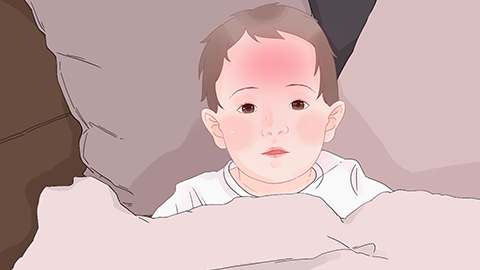
1. Forehead
The forehead is a commonly used area for applying ice packs. Because the skin on the forehead is relatively thin and has abundant underlying blood vessels, applying a cold compress can cause local blood vessels to constrict, reducing blood flow. This helps lower the temperature of the head, alleviating discomfort caused by fever, such as headache and dizziness, and can also help reduce overall body temperature to some extent.
2. Both sides of the neck
Major blood vessels such as the carotid arteries pass through both sides of the neck. Applying an ice pack here can cool the blood flowing through these vessels. The cooled blood then returns to the heart and circulates throughout the body via the bloodstream, effectively lowering overall body temperature.
3. Armpits
The armpits contain many blood vessels, and the skin folds in this area tend to retain heat. Applying an ice pack to the armpits can cause local blood vessels to constrict, reducing heat dissipation while also removing body heat, thus helping to lower body temperature.
4. Groin
The groin area is also rich in major blood vessels. Applying an ice pack here can effectively lower the temperature of the blood, thereby influencing overall body temperature. However, care should be taken to provide a barrier between the ice pack and the skin to prevent frostbite.
5. Popliteal fossa
The popliteal fossa is located at the back of the knee joint, an area with abundant blood vessels. Applying a cold compress here can help dissipate heat and lower body temperature. However, it is important to monitor the baby's response. If the baby shows signs of discomfort or the skin becomes pale, the cold compress should be stopped immediately.
In daily life, it's important to adjust clothing and bedding appropriately, ensure adequate hydration, eat a light and easily digestible diet, maintain good indoor air circulation with suitable temperature and humidity, and avoid crowded places.


