


Is the result good after doing the nose?
Dec 26, 2024
Source: Cainiu Health

Dr. Chen Lu
Introduction
Generally speaking, "doing the nose" refers to rhinoplasty (nasal augmentation). Whether the improvement is satisfactory after rhinoplasty mainly depends on the individual's baseline condition and postoperative recovery. If the individual has good baseline features or proper postoperative care is performed, the improvement is usually quite positive. However, if the individual's baseline condition is poor or postoperative care is inadequate, the improvement may not be satisfactory.
Generally speaking, "nose job" refers to rhinoplasty (nasal augmentation). The effectiveness of rhinoplasty mainly depends on individual baseline conditions and postoperative recovery. If the individual's baseline condition is good or postoperative care is appropriate, the improvement is generally satisfactory. However, if the baseline condition is poor or postoperative care is improper, the improvement may not be significant. Rhinoplasty involves implanting prosthetics, autologous cartilage, or injecting fillers into the nose to alter the nasal bone and soft tissue framework, thereby increasing nasal height and improving the nasal contour. The usual reference price for rhinoplasty is 3,000–8,000 yuan per session, and improvements are typically visible within 1–3 months after surgery, although symptoms such as redness, swelling, and pain may occur. Detailed analysis is as follows:
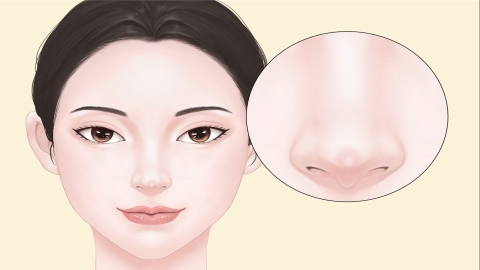
If the nasal baseline condition is good—for instance, a low nasal bridge but moderate skin tension and acceptable nasal tip shape—the surgery can significantly improve the appearance of the nose, making it look more three-dimensional and aesthetically pleasing. If patients follow medical advice postoperatively, properly care for and maintain the surgical site, and do not develop complications such as infection or hematoma, recovery is generally favorable.
However, if the nasal baseline condition is poor—for example, severe saddle nose deformity, excessive skin tension, or an undesirable nasal tip shape—the surgical difficulty increases accordingly, and the postoperative improvement may not meet expectations. If patients do not follow medical advice or improperly care for the surgical site postoperatively, complications such as infection or hematoma may occur.
It is recommended to visit a regular hospital and undergo the procedure under the guidance of qualified and experienced physicians to ensure surgical safety and reliability. After surgery, it is important to keep the nasal area clean, avoid external impacts, pressure, or rubbing, ensure adequate rest, and maintain a light diet.


