


How to remove under-eye bags without surgery
Dec 26, 2024
Source: Cainiu Health

Dr. Chen Lu
Introduction
In general, non-surgical methods for removing eye bags include laser eye bag removal, radiofrequency eye bag removal, ultrasound eye bag removal, lipolytic injection for eye bag removal, and traditional Chinese medicine treatments. It is recommended to visit a reputable hospital and undergo these procedures under a doctor's guidance to ensure safety and effectiveness. After the procedure, maintain cleanliness around the eyes and avoid getting the wound wet or rubbing it with external force.
Generally, non-surgical methods for under-eye bag removal include laser treatment, radiofrequency treatment, ultrasound treatment, lipolysis injection, and traditional Chinese medicine (TCM) therapies. Detailed explanations are as follows:
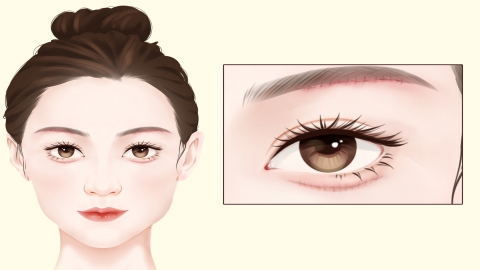
1. Laser Under-eye Bag Removal
Laser under-eye bag removal utilizes specific wavelengths of laser to precisely target fat tissue in the under-eye area, instantly vaporizing and breaking down the fat. It also stimulates collagen regeneration and reorganization in the skin around the eyes, tightening the skin to achieve the effect of removing under-eye bags. The general reference price for laser under-eye bag removal is 2,000–6,000 yuan per session. Noticeable improvement is typically seen within 1–2 weeks after the procedure, although side effects such as localized redness and swelling, and pain may occur.
2. Radiofrequency Under-eye Bag Removal
Radiofrequency under-eye bag removal uses high-frequency electromagnetic waves emitted by radiofrequency devices to cause fat cells in the under-eye area to vibrate rapidly and generate heat through friction within the electric field, leading to the rupture and liquefaction of fat cells, which are then naturally metabolized and absorbed by the body. The thermal effect also promotes collagen fiber contraction and renewal around the eyes, enhancing skin elasticity and reducing under-eye bags. The general reference price for radiofrequency under-eye bag removal is 1,500–5,000 yuan per session. Noticeable improvement is typically seen within 1–2 months after the procedure, although side effects such as eye swelling and numbness may occur.
3. Ultrasound Under-eye Bag Removal
Ultrasound under-eye bag removal utilizes specific frequencies of ultrasound waves to generate cavitation effects and resonance principles, precisely targeting fat tissue in the under-eye area. The fat is emulsified and then naturally expelled from the body through the body's circulatory system without damaging surrounding blood vessels, nerves, or skin tissue, achieving non-invasive under-eye bag removal. The general reference price for ultrasound under-eye bag removal is 3,000–8,000 yuan per session. Noticeable improvement is typically seen within 2–3 weeks after the procedure, although side effects such as bruising and swelling around the eyes may occur.
4. Lipolysis Injection for Under-eye Bag Removal
Lipolysis injection for under-eye bag removal involves injecting a solution containing specific fat-dissolving ingredients into the fat layer beneath the eyes. The medication disrupts the cell membranes of fat cells, causing the fat to break down into fatty acids and glycerol, which are then gradually eliminated from the body through natural metabolism, thereby reducing the volume of fat in the under-eye area and achieving the effect of removing under-eye bags. The general reference price for lipolysis injection under-eye bag removal is 1,000–4,000 yuan per session. Noticeable improvement is typically seen within 1–3 weeks after the procedure, although side effects such as pain and itching may occur.
5. Traditional Chinese Medicine (TCM) Therapy for Under-eye Bag Removal
TCM therapy for under-eye bag removal involves acupuncture at specific points around the eyes, such as Jingming (BL1), Chengqi (ST1), and Sibai (ST2), to regulate the flow of qi and blood in the eye's meridians, promote local blood circulation and metabolism, enhance nutrient supply to the eye muscles and skin, and combine with massage techniques to clear the lymphatic pathways around the eyes, accelerating the removal of waste materials and gradually reducing under-eye bags. The general reference price for TCM therapy for under-eye bag removal is 1,000–3,000 yuan per session. Noticeable improvement is typically seen within 1–3 months after the procedure, although side effects such as redness and pain may occur.
It is recommended to visit a reputable hospital and perform the above procedures under the guidance of a physician to ensure safety and effectiveness. Postoperative care includes maintaining eye cleanliness and avoiding water contact and external rubbing of the wound area.


