


Can I eat sesame oil after double eyelid surgery?
Dec 26, 2024
Source: Cainiu Health

Dr. Chen Lu
Introduction
Under normal circumstances, double eyelid surgery refers to blepharoplasty. After blepharoplasty, it is acceptable to consume an appropriate amount of sesame oil. Blepharoplasty involves designing an incision at an appropriate position on the upper eyelid, removing part of the orbicularis oculi muscle, fatty tissue, and attaching the eyelid skin to the tarsal plate at the desired height to form a double eyelid crease, thereby creating a double eyelid appearance.
Generally, double eyelid surgery refers to blepharoplasty. After blepharoplasty, it is acceptable to consume sesame oil in moderation. Blepharoplasty involves designing incisions at appropriate positions on the upper eyelids, removing part of the orbicularis oculi muscle and fat tissue, and attaching the eyelid skin to the tarsal plate at the desired height to create a double eyelid crease, thereby forming a double eyelid appearance. The general reference price for blepharoplasty ranges from 1,000 to 6,000 yuan per session. Noticeable improvement is usually observed 1-3 months after surgery, although symptoms such as swelling and pain may occur. Detailed analysis is as follows:
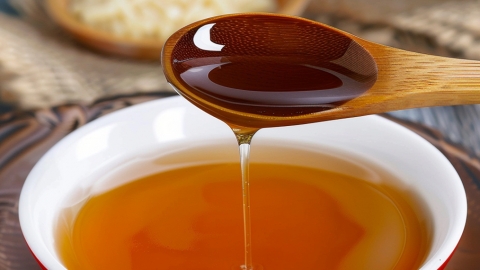
Sesame oil contains abundant unsaturated fatty acids and vitamin E, among other nutrients. Unsaturated fatty acids help maintain normal cell membrane function and can benefit postoperative recovery. Vitamin E has antioxidant properties that can reduce free radical damage to some extent and aid in postoperative recovery. However, sesame oil also contains a certain amount of fat; excessive consumption may burden the gastrointestinal tract, impair digestive function, and thereby indirectly affect the body's absorption of nutrients, which is not conducive to postoperative recovery. Therefore, sesame oil should be consumed in moderation.
It is recommended to visit a reputable hospital and perform the above procedures under the guidance of qualified physicians to ensure the safety and reliability of the surgery. After surgery, it is important to elevate the head during rest. The head should be appropriately raised, slightly above heart level, which helps promote ocular blood return and reduces eye swelling.




