


What are the post-operative care instructions for double eyelid surgery?
Dec 26, 2024
Source: Cainiu Health

Dr. Chen Lu
Introduction
Under normal circumstances, double eyelid surgery refers to blepharoplasty. Postoperative care for blepharoplasty includes wound care, cold compresses and hot compresses, eye usage and rest, dietary adjustments, and avoiding external irritation. It is recommended to visit a reputable hospital and follow the guidance of a qualified physician to ensure the safety and effectiveness of the procedure.
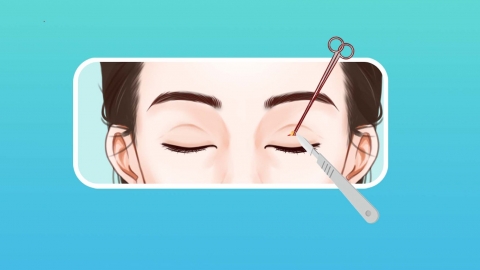
Generally, double eyelid surgery refers to blepharoplasty. Post-operative care for blepharoplasty includes wound care, cold and warm compresses, eye usage and rest, dietary adjustments, and avoiding external stimuli. Blepharoplasty involves creating incisions at appropriate positions on the upper eyelid, removing part of the orbicularis oculi muscle and fat tissue, and attaching the eyelid skin to the tarsal plate at the desired height to form a double eyelid crease, thereby creating a double eyelid appearance. The general reference price for blepharoplasty is 1,000–6,000 yuan per session. Improvement is usually noticeable 1–3 months post-surgery, although symptoms such as redness and swelling may occur. Detailed explanations are as follows:
1. Wound Care
After surgery, keep the surgical site clean and dry, avoid getting it wet, and prevent bacterial infection and inflammation. Under a doctor's guidance, use sterile saline to gently wipe away wound secretions, and change the dressing regularly to ensure optimal healing conditions.
2. Cold and Warm Compresses
Cold compresses should be applied within the first 48 hours after surgery to effectively reduce swelling and pain. Apply for 15–20 minutes at a time, with intervals of 1–2 hours. During cold compresses, avoid direct contact between the ice pack and the skin to prevent frostbite. After 48 hours, switch to warm compresses to promote blood circulation and absorption of bruising. The temperature should not be too high—warm enough to be comfortable to the touch. The duration and frequency of warm compresses can follow the same guidelines as cold compresses.
3. Eye Usage and Rest
Reduce the amount of time spent using your eyes, and avoid prolonged use of electronic devices such as computers and mobile phones to prevent eye fatigue that may interfere with recovery. Ensure adequate sleep, and in the early post-operative period, sleep with your head slightly elevated to help reduce eye swelling and promote fluid drainage.
4. Dietary Adjustments
After surgery, maintain a light diet and avoid spicy or irritating foods such as chili peppers, Sichuan peppercorns, and ginger, which may cause blood vessel dilation, exacerbating swelling and pain. Also, reduce consumption of allergenic foods such as seafood, beef, and mutton to lower the risk of allergic reactions. Increase intake of foods rich in vitamin C and protein, such as fresh fruits, vegetables, and lean meats, which aid in wound healing.
5. Avoid External Stimuli
Before the wound has fully healed, avoid rubbing the eyes to prevent the wound from reopening or bleeding due to external pressure. Additionally, avoid strenuous activities and eye trauma, such as boxing or football. When going outdoors, wear sunglasses to protect the eyes from direct sunlight and dust, and to help prevent accidental bumps from others.
It is recommended to visit a reputable hospital and follow the guidance of professional doctors when performing the above steps to ensure the safety and effectiveness of the surgery.




