


Is it normal to sneeze frequently the day after rhinoplasty?
Dec 26, 2024
Source: Cainiu Health

Dr. Chen Lu
Introduction
It is not very normal to sneeze frequently on the second day after rhinoplasty. Rhinoplasty involves implanting prosthetics, autologous cartilage, or injecting fillers into the nasal area to alter the framework of nasal bones and soft tissues, thereby increasing nasal height and improving nasal contour. After surgery, patients should try to avoid contact with potential irritants that may cause sneezing, such as maintaining fresh indoor air and avoiding exposure to allergens.
Generally speaking, rhinoplasty refers to a nose augmentation procedure. Experiencing frequent sneezing the day after rhinoplasty is not considered a normal phenomenon. Rhinoplasty involves altering the nasal bone and soft tissue framework by implanting prosthetics, autologous cartilage, or injecting fillers, thereby increasing nasal height and improving nasal contour. The typical reference price for rhinoplasty ranges from 3,000 to 8,000 yuan per session. Noticeable improvement is usually observed 1–3 months post-surgery, although symptoms such as swelling and pain may occur. A detailed explanation is as follows:
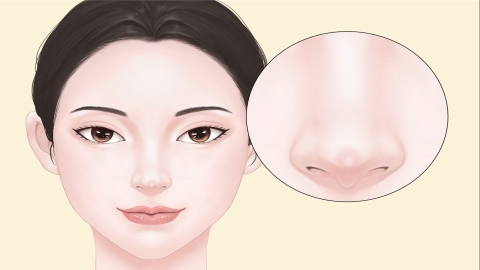
After rhinoplasty, the nasal tissues are in a phase of wound healing. During this time, the nasal mucosa is relatively sensitive and fragile, making it prone to stress reactions when exposed to external stimuli. Sneezing may occur due to mild nasal irritation, such as from dust or odors in the air, or it may represent a stress response of the body to surgical trauma. However, frequent sneezing may negatively affect nasal recovery. Repeated sneezing can cause a sudden increase in nasal pressure, potentially leading to nasal wound bleeding, delayed wound healing, or even implant displacement.
It is recommended to visit a qualified hospital and undergo the procedure under the guidance of a qualified physician to ensure the safety and reliability of the surgery. After surgery, it is advisable to avoid exposure to potential sneeze-inducing irritants, such as maintaining fresh indoor air and avoiding allergens.





