


Is rhinoplasty painful?
Dec 26, 2024
Source: Cainiu Health

Dr. Chen Lu
Introduction
In general, patients do not experience severe pain during rhinoplasty. However, some degree of postoperative pain is common, though typically tolerable. Rhinoplasty involves altering the nasal bone and soft tissue framework by implanting prosthetics, autologous cartilage, or injecting fillers, thereby increasing nasal height and improving the nasal contour.
Generally, patients do not experience severe pain during rhinoplasty. Some degree of pain may occur after surgery, but it is usually tolerable. Rhinoplasty involves implanting prosthetics, autologous cartilage, or injecting fillers into the nose to alter its bony and soft tissue framework, thereby increasing nasal height and improving nasal contour. The general reference price for rhinoplasty ranges from 3000 to 8000 yuan per session. Noticeable improvement is typically observed 1 to 3 months after surgery, although symptoms such as redness, swelling, and pain may occur. Detailed explanation is as follows:
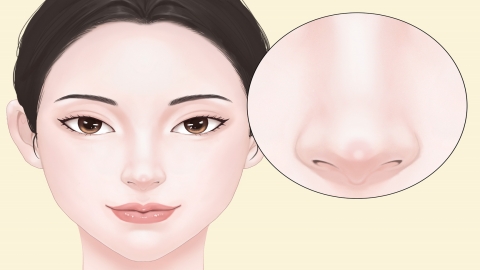
Rhinoplasty is usually performed under local or general anesthesia. With local anesthesia, there may be a brief pricking sensation when the anesthetic is injected, similar to receiving an injection. However, once the anesthesia takes effect, there is generally no pain during the procedure. If general anesthesia is used, the patient remains unconscious during surgery and will not feel any pain. After surgery, as the anesthetic effect gradually wears off, some degree of pain and discomfort in the nasal area may develop. This is due to surgical trauma and is usually most noticeable within the first 1 to 3 days after surgery, gradually subsiding afterward. The intensity of postoperative pain varies among individuals and depends on factors such as personal pain tolerance, surgical technique, and the extent of trauma.
It is recommended to visit a reputable hospital and undergo the procedure under the guidance of qualified and experienced physicians to ensure the safety and reliability of the surgery. Postoperatively, patients should follow medical advice and take prescribed pain medications on schedule to alleviate discomfort, while avoiding self-medicating or taking excessive doses. Additionally, it is important to keep the nasal area clean and dry, avoid external impacts to the nose, and prevent displacement of the implant or wound dehiscence.





