


Has the nose augmentation stabilized after 6 months?
Dec 26, 2024
Source: Cainiu Health

Dr. Chen Lu
Introduction
Rhinoplasty typically achieves basic stability six months after the procedure. Rhinoplasty alters the nasal bone and soft tissue framework, thereby increasing nasal height and improving nasal contour, through the implantation of prosthetics, autologous cartilage, or injectable fillers. It is recommended to visit a reputable hospital and undergo the procedure under the guidance of a qualified physician to ensure surgical safety and stability.
Generally speaking, rhinoplasty refers to nasal augmentation surgery. The nose typically achieves basic stability six months after the procedure. Rhinoplasty involves altering the nasal bone and soft tissue framework by implanting prosthetics, autologous cartilage, or injecting fillers to increase nasal height and improve the nasal contour. The usual reference price for rhinoplasty is 3,000–8,000 yuan per session. Improvement is usually visible 1–3 months after surgery, although symptoms such as redness, swelling, and pain may occur. A detailed explanation is as follows:
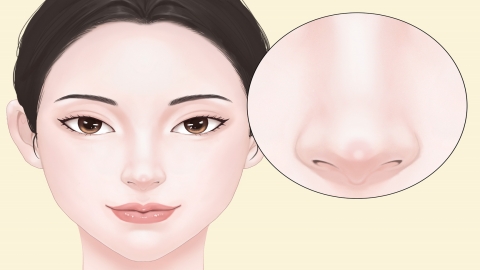
In the early postoperative period, the nasal tissues undergo swelling and recovery processes. Swelling typically begins to subside significantly within one week, and the nose gradually regains a natural appearance within 1–3 months; however, ongoing tissue repair and remodeling continue. By approximately six months post-surgery, the implant has fully integrated with the surrounding tissues, nasal blood circulation and tissue morphology have become essentially stable, and the position of the implant or cartilage has become relatively fixed. The overall nasal shape and height are close to their final results and are unlikely to undergo significant changes, such as implant displacement or tip shape alteration, although major external impacts should still be avoided.
It is recommended to visit a formal hospital and undergo the procedure under the guidance of a qualified physician to ensure surgical safety and stability. It is also important to maintain healthy lifestyle habits, such as regular sleep patterns and a balanced diet, to support the health of nasal tissues.


