


What should I do if my child's nosebleed occurs while they are blowing their nose due to a cold?

Generally, a child's nosebleed caused by blowing the nose during a cold may be related to factors such as nasal mucosa dryness, nasal mucosa damage, acute rhinitis, allergic rhinitis, and sinusitis. It is recommended to seek timely medical attention and adopt general treatment or medication under a doctor's guidance. The specific analysis is as follows:
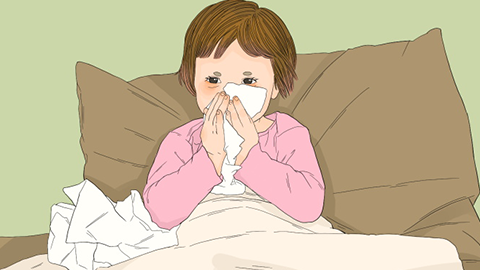
1. Nasal Mucosa Dryness
When a child has a cold, frequent nose blowing may cause loss of moisture in the nasal mucosa, making it dry and fragile, thus leading to nosebleeds during nose blowing. It is recommended to encourage the child to drink more water to maintain adequate hydration.
2. Nasal Mucosa Damage
Frequent or improper nose-blowing methods may directly damage the nasal mucosa, causing bleeding. It is recommended to teach the child the correct way to blow their nose and use soft tissues or cotton swabs to clean the nasal cavity.
3. Acute Rhinitis
Acute rhinitis is usually caused by viral or bacterial infections. The nasal mucosa becomes congested and swollen, with increased vascular permeability, making the blood vessels prone to rupture and bleeding. It is usually accompanied by symptoms such as nasal congestion, runny nose, and sneezing. Medications such as Qianbo Rhinitis Tablets, Cetirizine Hydrochloride Nasal Spray, and Loratadine Tablets should be used according to the doctor's instructions.
4. Allergic Rhinitis
Allergic rhinitis is usually triggered by exposure to allergens. Contact with allergens such as pollen or dust mites causes an allergic reaction in the nasal mucosa, resulting in nasal mucosal congestion and edema, increased vascular fragility, and easy bleeding when blowing the nose. Common symptoms include clear nasal discharge, nasal congestion, and nasal itching. Medications such as Azelastine Fluticasone Nasal Spray, Budesonide Nasal Spray, and Triamcinolone Acetonide Cream should be used according to the doctor's instructions.
5. Sinusitis
Sinusitis may be caused by bacterial infection. Bacterial infection leads to accumulation of pus in the sinuses, exerting pressure on the nasal mucosa and blood vessels, thereby causing bleeding. Symptoms may also include persistent nasal congestion, purulent nasal discharge, and headache. Medications such as Amoxicillin and Clavulanate Potassium Tablets, Paracetamol Tablets, and Tongqiao Rhinitis Tablets may be used under a doctor's guidance.
It is recommended to maintain indoor air humidity and avoid keeping the child in a dry environment for long periods to help reduce nasal mucosal dryness.


