


Can I eat chestnuts after rhinoplasty?
Dec 26, 2024
Source: Cainiu Health

Dr. Chen Lu
Introduction
In general, it is acceptable to consume chestnuts in moderation after rhinoplasty. Chestnuts are a nutrient-rich food, containing abundant starch, protein, B-complex vitamins, vitamin C, carotene, and minerals such as calcium, phosphorus, and potassium. Among these nutrients, protein is an essential component for tissue repair. Consuming chestnuts in moderation after rhinoplasty can provide the body with necessary protein for recovery.
Generally speaking, it is acceptable to consume chestnuts in moderation after rhinoplasty. Rhinoplasty involves implanting prosthetics, autologous cartilage, or injecting fillers into the nose to alter the nasal bone and soft tissue framework, thereby increasing nasal height and improving the nasal contour. The usual reference price for rhinoplasty is 3000-8000 yuan per session, with visible improvement typically occurring 1 to 3 months after surgery, although symptoms such as redness, swelling, and pain may accompany the recovery process. Detailed analysis is as follows:
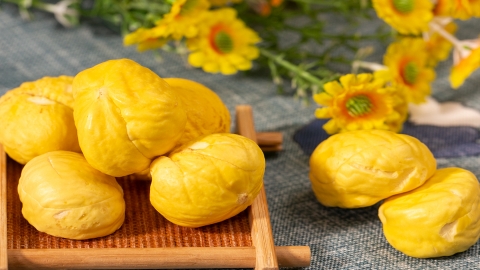
Chestnuts are a nutrient-rich food containing abundant starch, protein, B-complex vitamins, vitamin C, carotene, and minerals such as calcium, phosphorus, and potassium. Among these, protein serves as an essential building block for tissue repair; moderate chestnut consumption after rhinoplasty can supply necessary protein, promoting repair and healing of nasal tissues. Vitamin C has antioxidant properties, enhances immunity, and helps reduce postoperative inflammatory responses. Minerals are also crucial for maintaining normal physiological functions in the body, aiding metabolism and accelerating postoperative recovery.
It is recommended to visit a reputable hospital and follow the guidance of professional doctors when undergoing such procedures to ensure the safety and reliability of the surgery. After surgery, avoid external impacts to the nose to prevent implant displacement or affect nasal shape. Maintain a balanced diet, eat more fresh vegetables and fruits, and avoid spicy, irritating foods and seafood or other allergenic foods.


