


Is rhinoplasty a high-risk procedure?
Dec 27, 2024
Source: Cainiu Health

Dr. Chen Lu
Introduction
Under normal circumstances, rhinoplasty involves certain risks, which may be relatively significant. Rhinoplasty alters the nasal bone and soft tissue framework, thereby increasing nasal height and improving nasal contour, by implanting prosthetics, autologous cartilage, or injecting fillers. It is recommended to visit a legitimate hospital and undergo the procedure under the guidance of a qualified physician to ensure the safety and reliability of the surgery.
Generally speaking, rhinoplasty involves certain risks, which could be relatively significant. Rhinoplasty involves changing the nasal bone and soft tissue framework by implanting prosthetics, autologous cartilage, or injecting fillers to increase nasal height and improve nasal contour. The typical reference price for rhinoplasty ranges from 3,000 to 8,000 yuan per session, and improvement is usually noticeable 1 to 3 months after surgery, although symptoms such as redness, swelling, and pain may accompany the recovery. A detailed analysis is as follows:
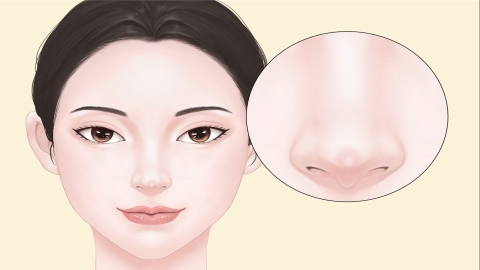
Rhinoplasty involves procedures performed on the nose to alter its shape. Whether using prosthetic implants, autologous cartilage grafting, or injectable fillers, there are inherent risks. The level of risk is closely related to the surgical method employed. For example, prosthetic rhinoplasty may result in complications such as implant rejection, displacement, or exposure. Autologous cartilage rhinoplasty may lead to donor site pain, infection, or cartilage deformation. Improper injection techniques or the use of substandard materials in non-surgical rhinoplasty can easily trigger severe complications such as local inflammation or embolism. Additionally, the skill level and experience of the surgeon are crucial. Experienced and technically proficient surgeons can perform more precise operations, thereby reducing the risk of surgical errors, such as accurately separating tissue layers and properly positioning implants.
It is recommended to visit a legitimate hospital and undergo these procedures under the guidance of qualified professionals to ensure the safety and reliability of the surgery. After surgery, it is essential to strictly maintain nasal cleanliness and dryness, avoid contact with water, and prevent bacterial infection of the wound. Follow the physician's instructions for regular dressing changes and follow-up visits to promptly identify and address any potential complications.





