What are the post-operative care instructions after suture removal for double eyelid surgery?
Dec 27, 2024
Source: Cainiu Health

Dr. Han Xuefeng
Introduction
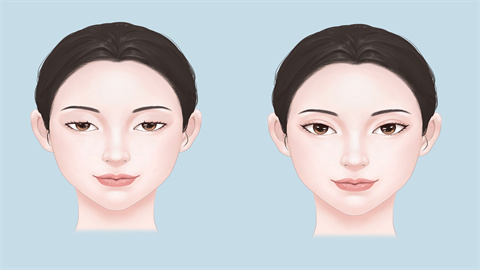
Under normal circumstances, double eyelid surgery refers to blepharoplasty (double eyelid formation). Matters needing attention after suture removal from blepharoplasty include the following. Blepharoplasty involves designing an incision at an appropriate position on the upper eyelid, removing part of the orbicularis oculi muscle, fat tissue, and attaching the eyelid skin to the tarsal plate at the desired height to form a double eyelid crease, thereby creating a double eyelid appearance.
Generally, double eyelid surgery refers to blepharoplasty. Matters needing attention after suture removal of blepharoplasty include the following. Blepharoplasty involves designing an incision at a suitable position on the upper eyelid, removing part of the orbicularis oculi muscle, fat tissue, etc., and fixing the eyelid skin to the tarsal plate at the desired height to form a double eyelid crease, thereby shaping the double eyelid appearance. The general reference price for blepharoplasty is 1000-6000 yuan per session. Noticeable improvement is usually observed 1-3 months after surgery, although symptoms such as redness and swelling, and pain may occur. Detailed analysis is as follows:
1. Keep the area clean
Keep the wound dry for 24 hours after suture removal; thereafter, gently rinse the eye area with clean water, but avoid rubbing vigorously. Keeping the eyes clean can effectively prevent infection, avoid wound inflammation, and promote wound healing.
2. Avoid external stimuli
Do not touch or press the eyes with your hands randomly, and minimize external forces acting on the eyes to prevent wound dehiscence or affect the shaping of the double eyelid. Before the eyes have fully recovered, avoid wearing contact lenses to prevent friction and pressure on the eyes.
3. Eye usage precautions
Reduce prolonged eye use, such as extended periods of watching computer or mobile phone screens, to avoid excessive eye fatigue. Overuse of the eyes may lead to worsening of swelling and congestion, which is not conducive to postoperative recovery. Appropriate rest helps in the repair of ocular tissues.
4. Dietary adjustments
Maintain a light diet, avoid spicy, greasy, and irritating foods such as chili peppers, Sichuan peppers, and fried foods. Also, reduce intake of allergenic foods such as seafood, mutton, and beef to prevent exacerbation of local swelling or allergic reactions.
5. Monitor recovery
Closely observe the recovery of the eyes, including the shape of the double eyelid, and any abnormal phenomena such as increased redness, swelling, pain, or exudation. If any abnormalities are detected, promptly communicate with your doctor and schedule a follow-up visit to identify and address problems early.
It is recommended to visit a formal hospital and follow the guidance of professional doctors when performing the above steps to ensure the safety and effectiveness of the surgery.