It's the third day after my double eyelid surgery; do I still need to apply cold compresses?
Dec 27, 2024
Source: Cainiu Health

Dr. Han Xuefeng
Introduction
Under normal circumstances, whether ice compresses are still needed on the third day after double eyelid surgery mainly depends on the postoperative recovery condition. If the recovery is progressing well without significant discomfort, ice compresses are generally unnecessary. However, if the recovery is slower than expected or accompanied by symptoms such as swelling, ice compresses may still be required. It is recommended to consume foods rich in protein and vitamins, such as fish and eggs, which can help promote wound healing and recovery.
Generally speaking, whether ice compresses are still needed on the third day after double eyelid surgery mainly depends on the postoperative recovery. If the recovery is good and there are no obvious discomfort symptoms, ice compresses are usually unnecessary. However, if the recovery is slower and accompanied by swelling or other discomfort, ice compresses may still be needed. Detailed explanations are as follows:
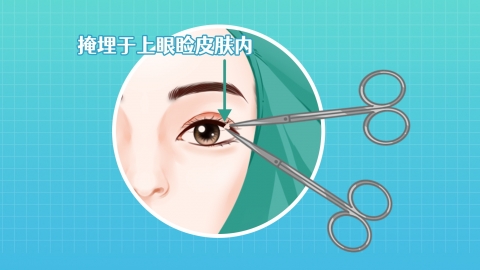
On the third day after double eyelid surgery, if the patient's recovery is good and there are no significant symptoms such as redness, swelling, or pain, ice compresses are typically no longer necessary. At this point, the capillaries at the surgical site have mostly constricted, and the exudate and bruising are gradually being absorbed, so the effect of ice compresses becomes less significant. It is recommended to perform appropriate eye exercises, such as gently blinking or moving the eyeballs, to promote blood circulation and accelerate recovery.
If significant swelling, pain, or bruising persists on the third day after surgery, this may be due to greater surgical trauma, individual physical differences, or improper postoperative care. In such cases, patients may need to continue applying ice compresses to alleviate symptoms. Ice compresses can slow blood circulation by lowering the local temperature, thereby reducing the formation of exudate and bruising, and also helping to relieve swelling and pain.
It is also recommended to consume more foods rich in protein and vitamins, such as lean meat, fish, eggs, fresh fruits, and vegetables, which can help promote wound healing and recovery.